

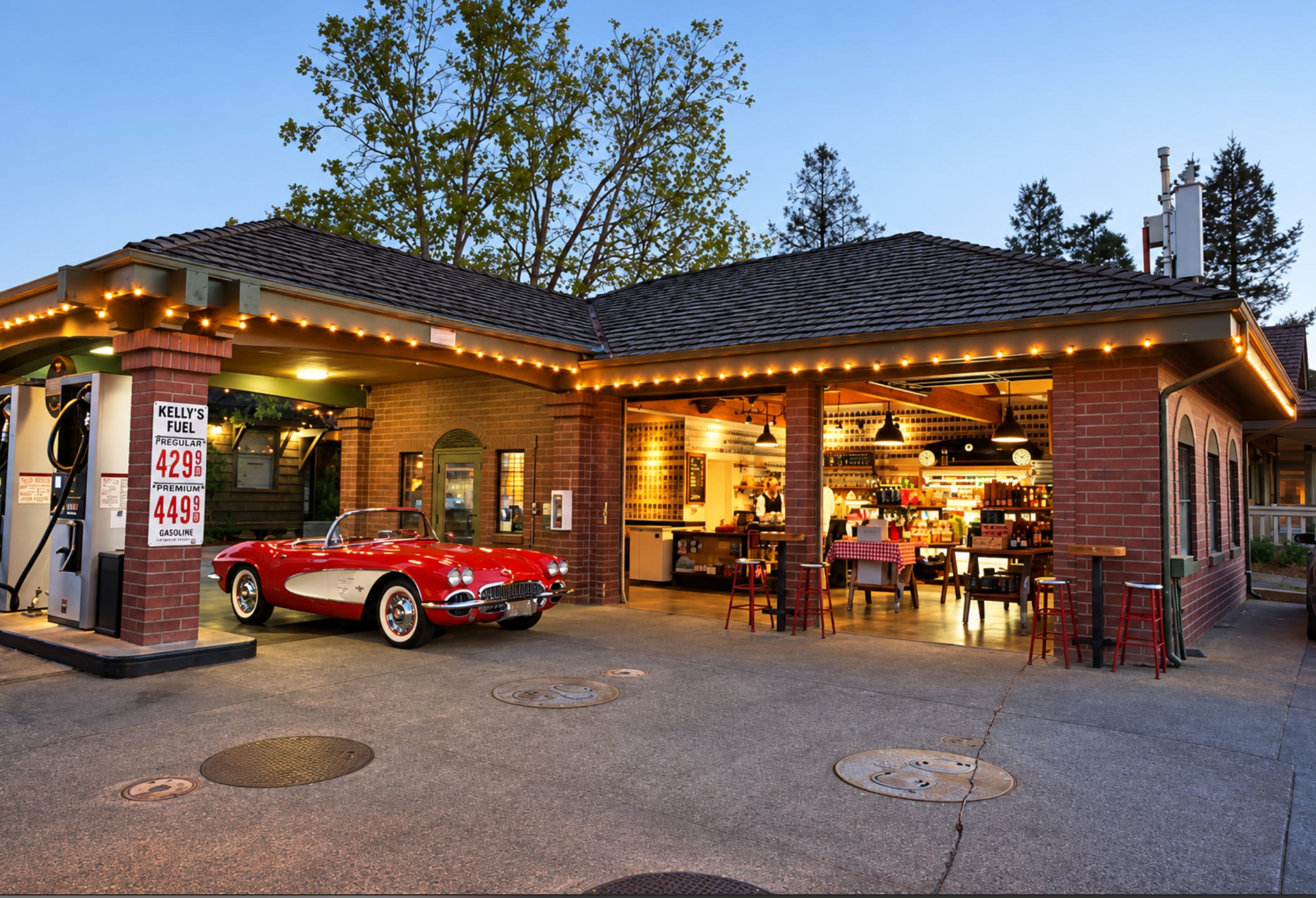
It’s not often you see a gas station post a help wanted ad for a Barista Associate. Or offer a $9 gourmet hot dog. Unless you’re walking down Washington Street in Yountville, CA, the Disneyland of Napa Valley.
On one end of the fairytale street sits Thomas Keller’s three-Michelin-star French Laundry, flanked by a supporting cast of Bouchon Bakery, Bouchon Bistro, Ad Hoc, and Bistro Jeanty. A half mile of tasting menus in a town of 3,000 people.
Now walk to the opposite end, to the last building on Washington Street before the sidewalk ends.
It’s a gas station. And of everything on this street, it’s the parcel I’d most want to own.
Why gas station real estate
Whether in Yountville, Dallas or a random suburb of New Jersey, gas stations usually sit on a hard corner with curb cuts, traffic count, and visibility from both directions. Most towns would never entitle these parcels again at any price. And if they weren’t gas stations, it would be the most expensive dirt on the block.
But nobody wants it.
More than 500,000 underground storage tank releases have been confirmed in this country, and roughly 60,000 contaminated sites are still waiting on cleanup. Remediation on a single station can run past a million dollars. But the cost isn’t really the problem. The problem is that nobody knows the cost until they dig. Lenders won’t lend against an unbounded number and funds won’t underwrite one.
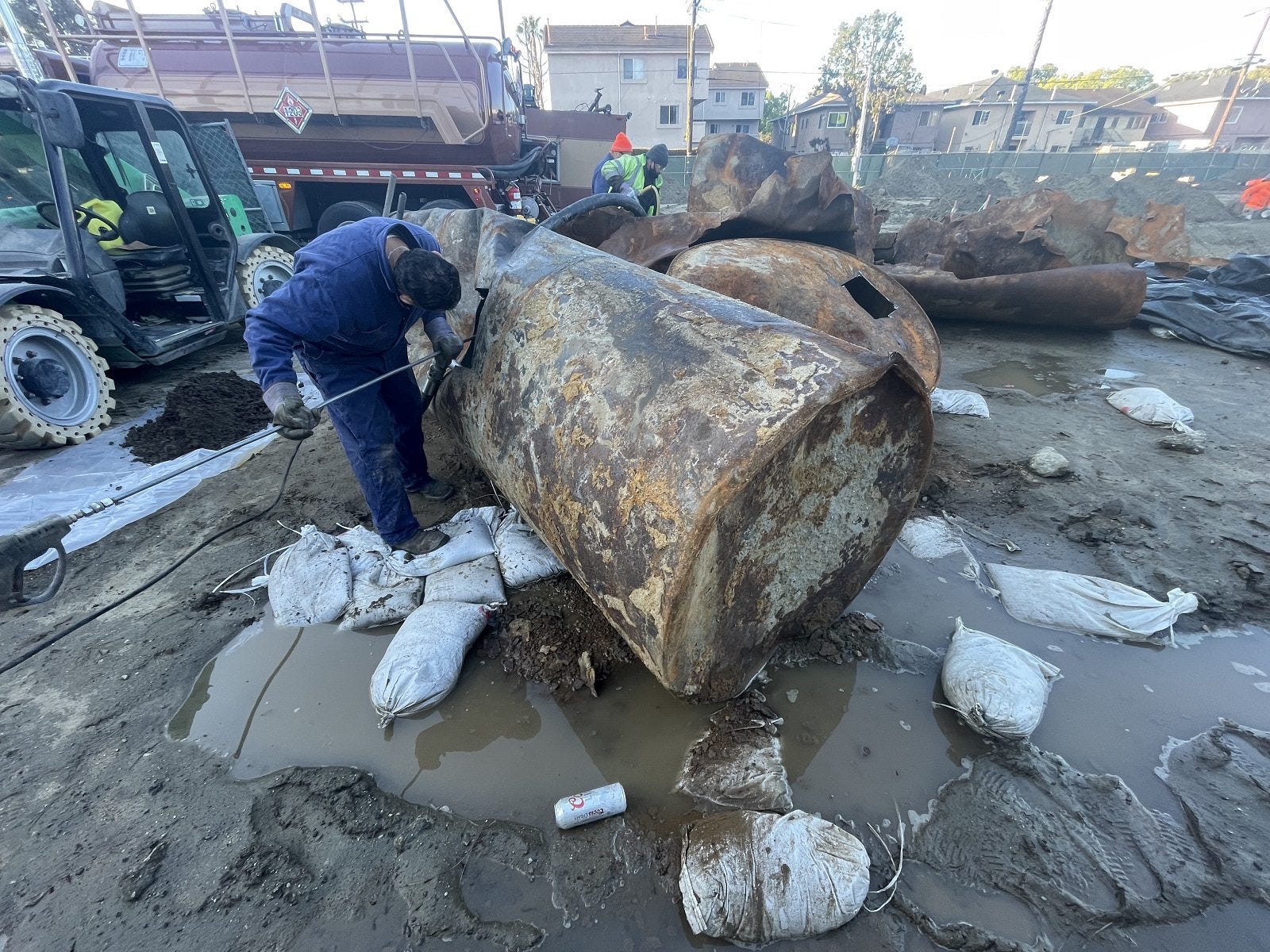
And because the dirt is priced as a liability, owners don’t bothers much with what sits on top of it. So most gas station convenience stores dispense salt, sugar, calorie-filled bags of junk food, shitty coffee, and domestic tall boys.
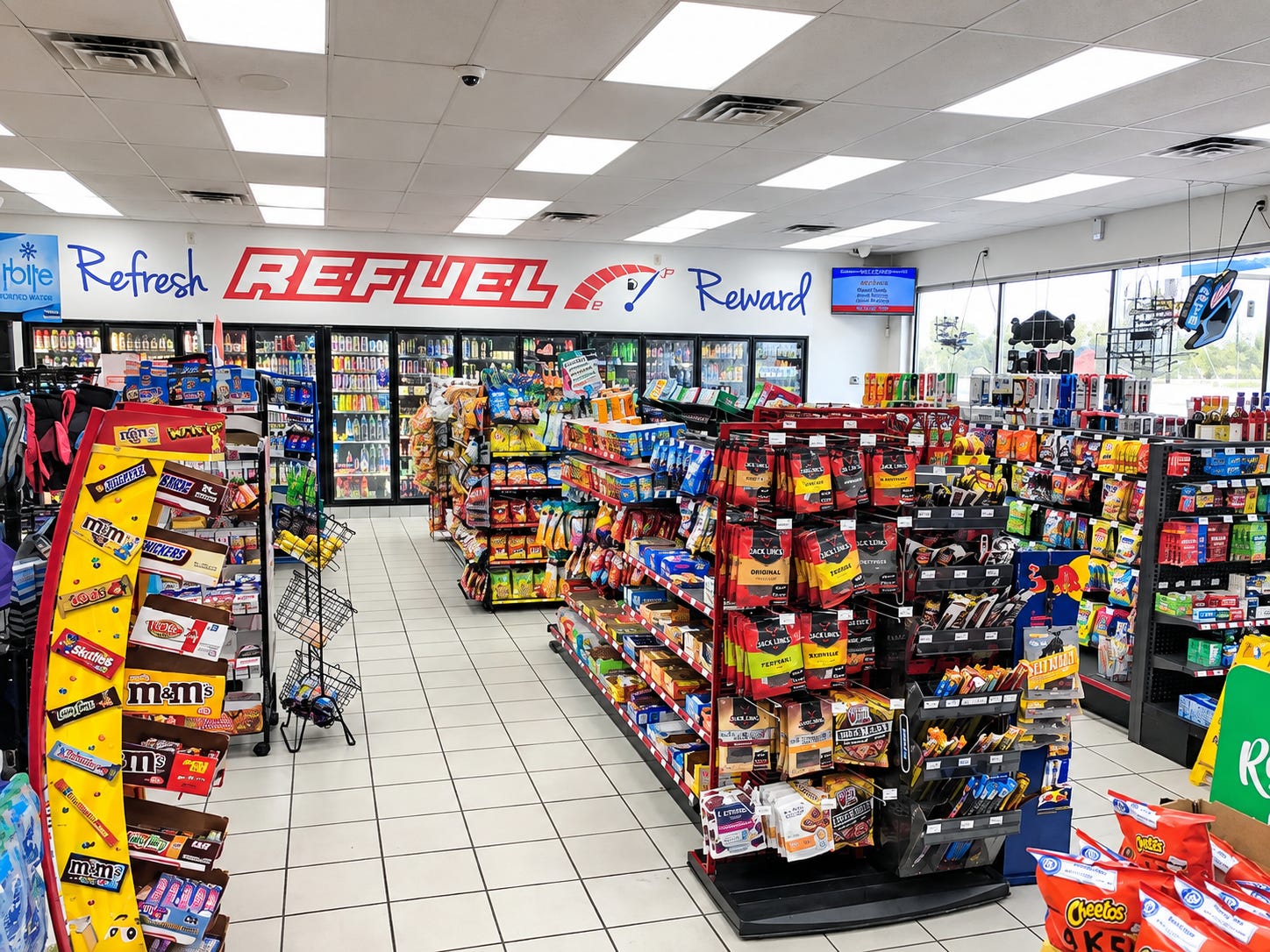
Which is the arbitrage opportunity.
The best corners in America are available at a discount, with the lowest bar in retail sitting on them.
As long as you stop looking at them like gas stations.
The Honor Market Story
Honor Market opened on Washington Street in Yountville in 2011 as Kelly’s Fuel & Provisions and took its current name in early 2023. It’s owned and run by Hillstone Restaurant Group (Houston’s, R+D Kitchen, Palm Beach Grill, White House Tavern, etc.).
When they bought the property, they were not shopping for a gas station.
Hillstone bought Washington Square, a two-acre parcel at Washington and Madison, with a shuttered Exxon attached to it. The gas pumps were considered an ugly blemish and a liability, and the reason two acres on this tony street were available.
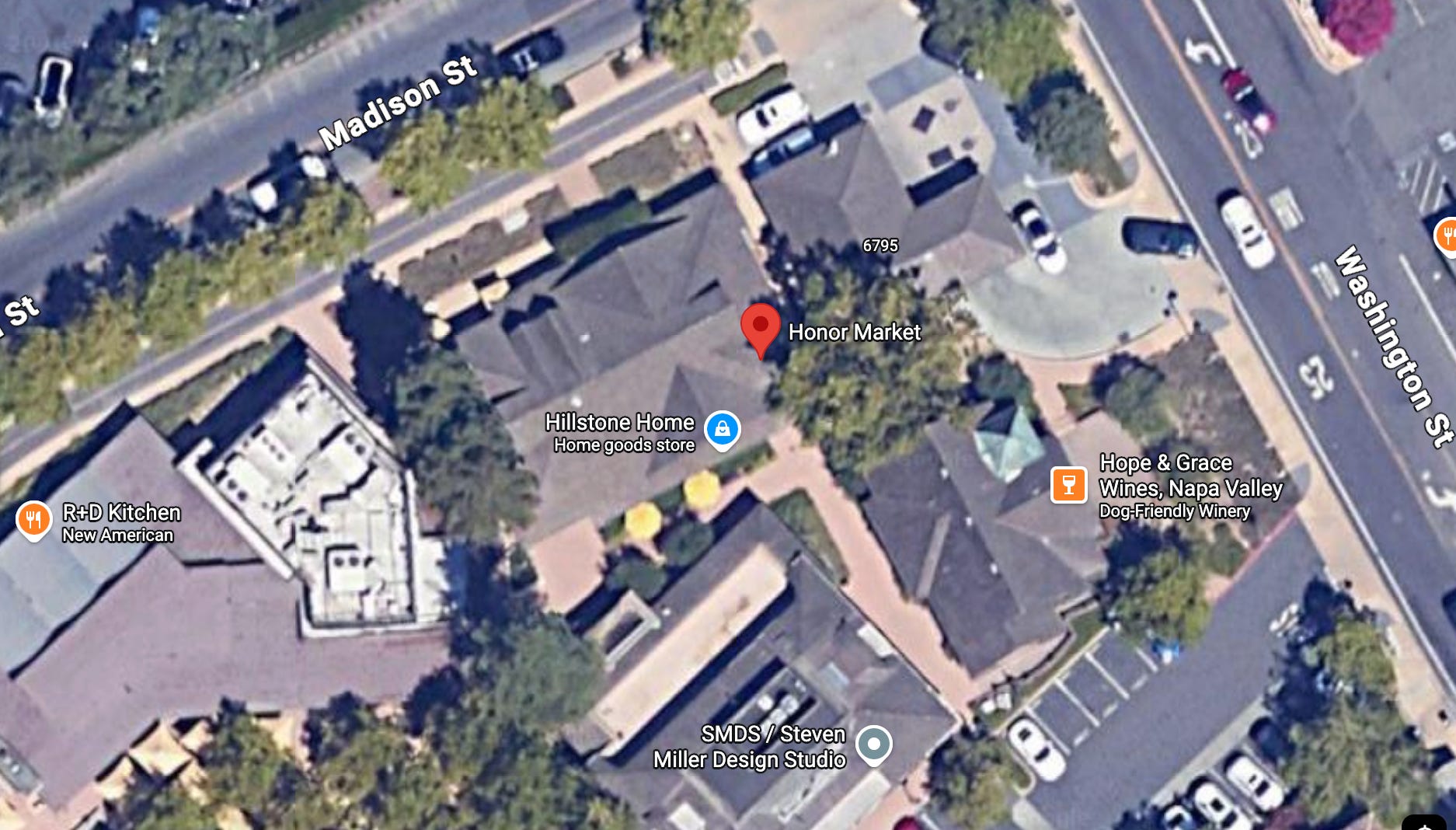
Then the creative geniuses at Hillstone turned one dead Exxon station into a four-concept campus, that included Honor Market, on Yountville’s main street—which was never going to allow more commercial square footage.
No one at Hillstone cared if they made money on fuel. They were selling organic wines, flat whites and $9 gourmet hot dogs on poppyseed brioche buns with homemade relish and on a prime retail corner.
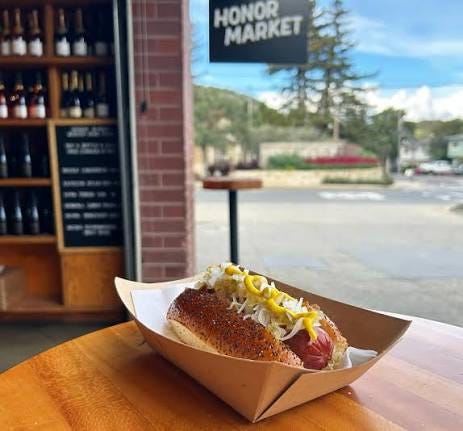
Keeping a gas pump was the political lever the town needed to say ‘yes’ to the rest of the prime corner development.
Napa is not the only place this is happening
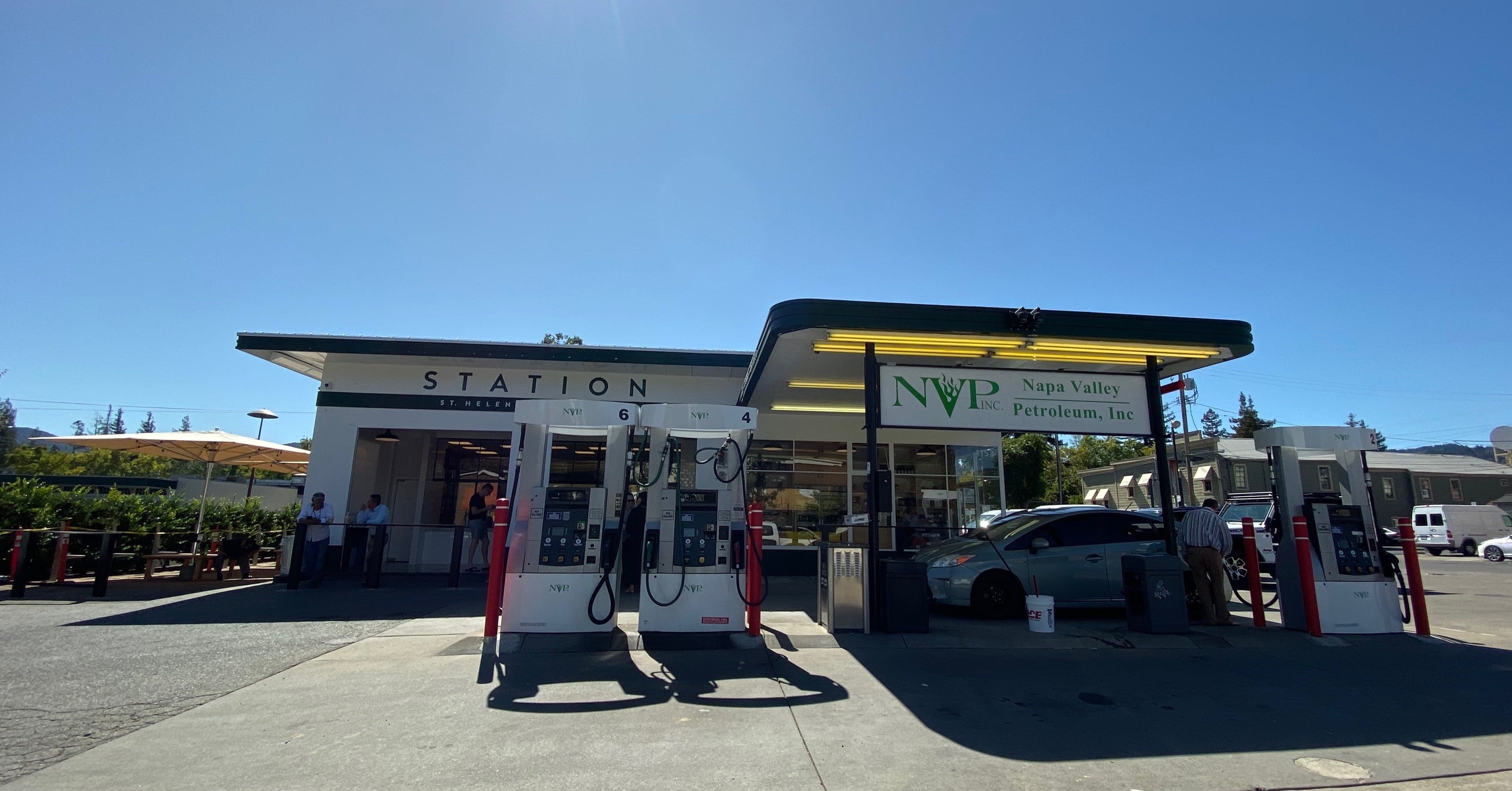
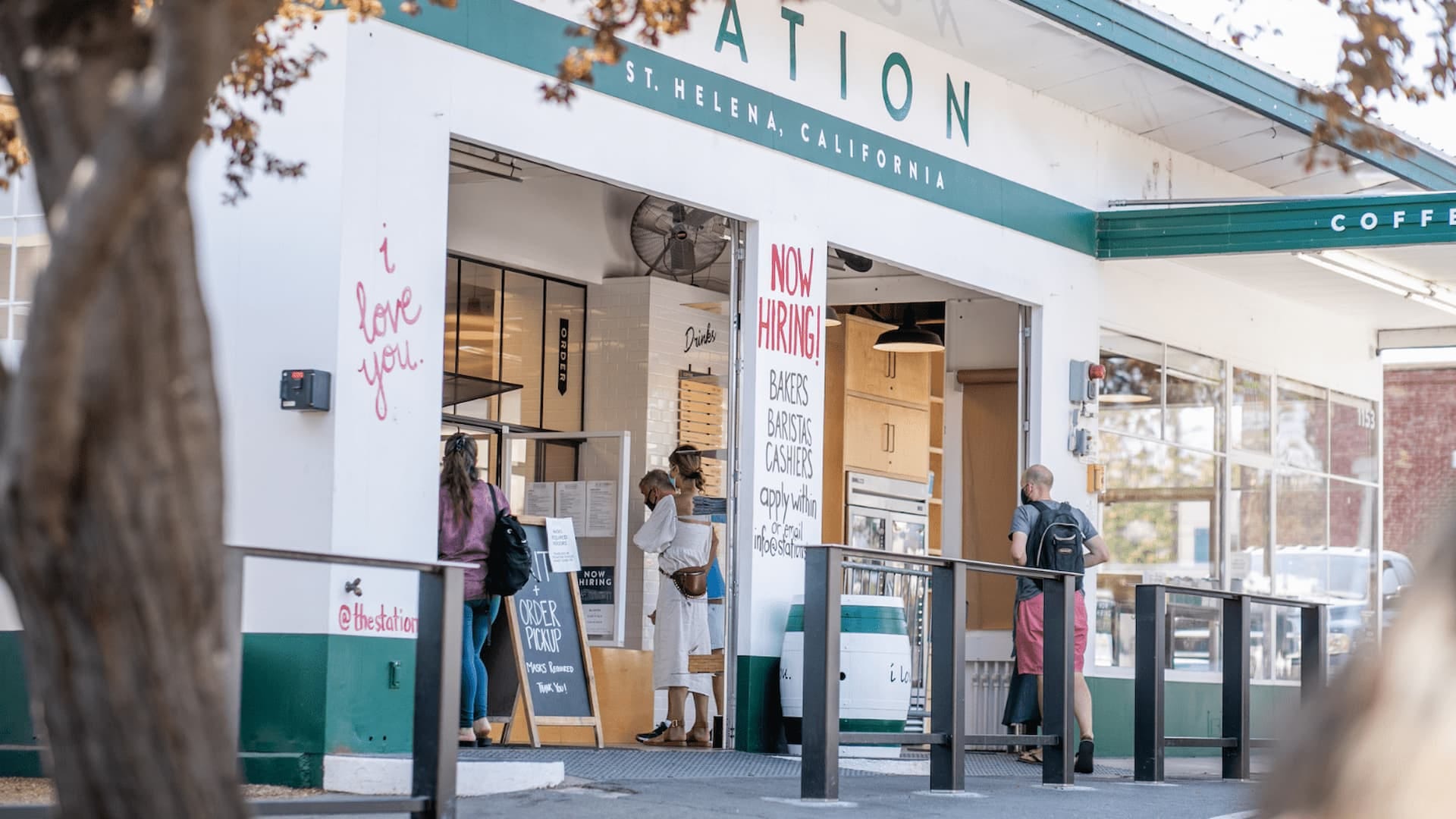
Twenty minutes north, Joel Gott runs Station St. Helena on the same idea—brioche doughnuts in the morning, pizza at night—except Gott owns the retail and Napa Valley Petroleum owns the filling station. You can split the stack if you don’t want the tanks.
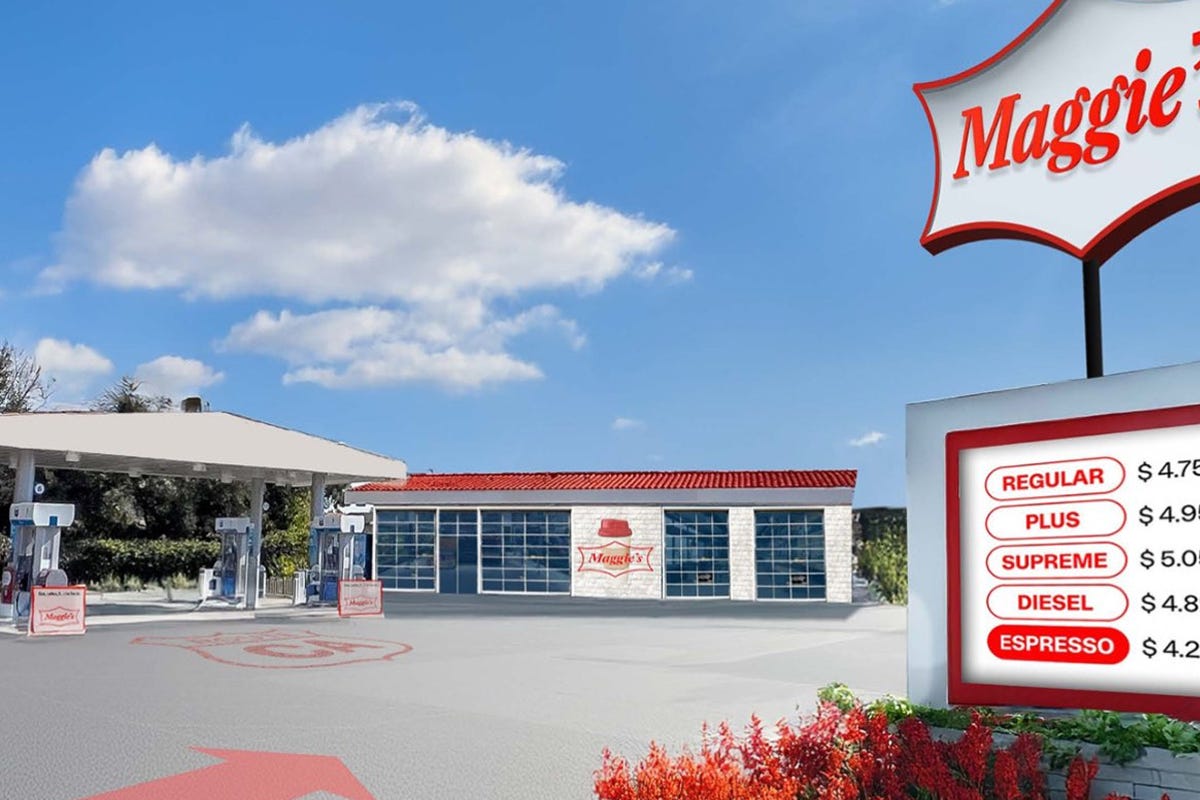
In 2027, Beverly Hills will get Maggie’s Refuel. Maggie’s just raised $2M in pre-seed funding from Matchstick Ventures, Mucker Capital, and Everywhere Ventures to build a luxury, hospitality-driven gas station and convenience concept.
Meanwhile, Buc-ee’s has been running the highway version of this for years.
Here is why it works, in round numbers
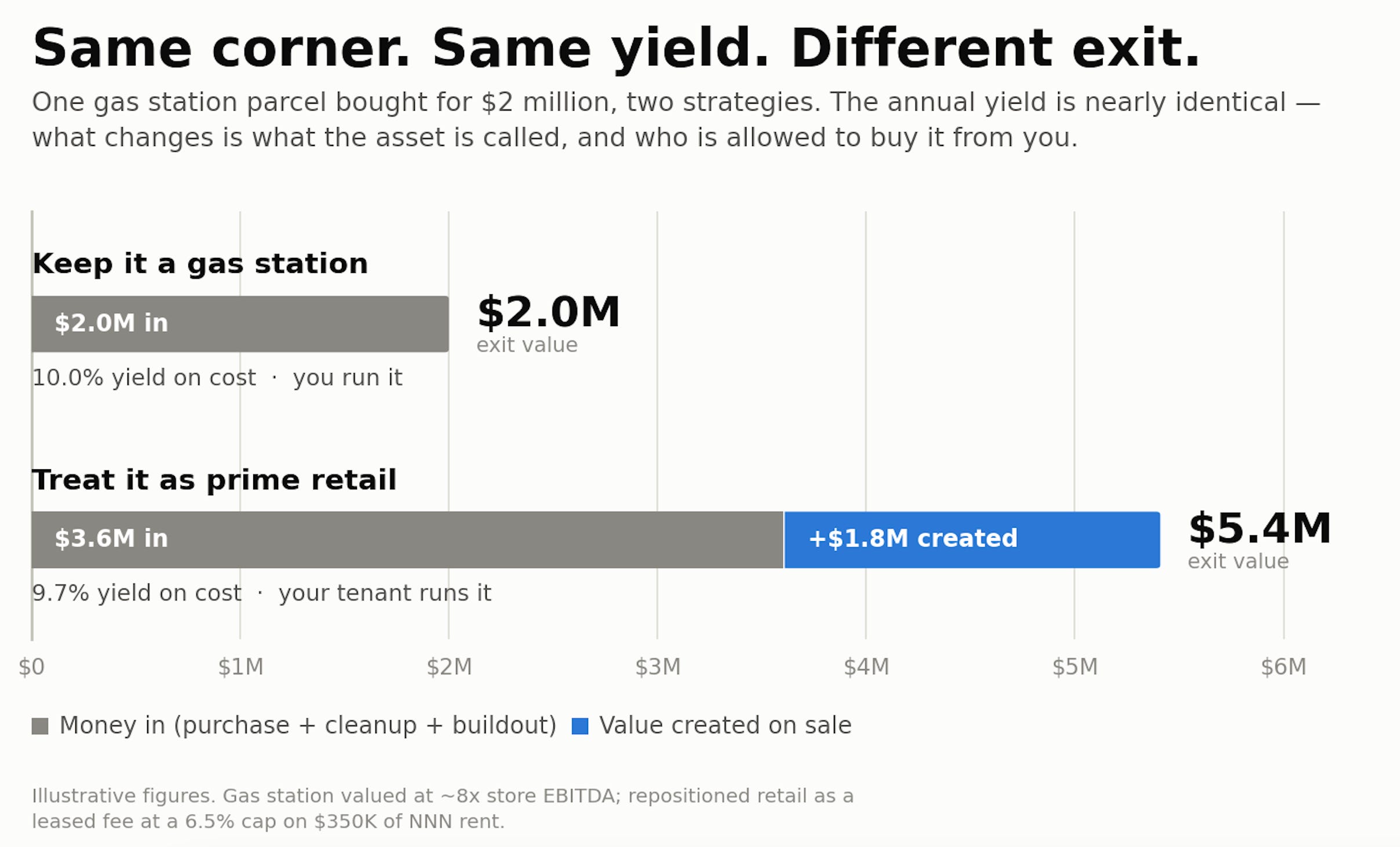
Option 1: Buy the corner for $2 million and keep it a gas station. You’ll clear about $200,000 a year after setting aside money for the tanks—a 10% yield, which sounds excellent. Then try to sell it. It’s a gas station business, it trades at eight times earnings, and it’s worth about the $2 million you paid. And your buyer pool is three guys.
Option 2: Buy the same corner for $2 million and stop treating it like a gas station. Spend $600,000 cleaning it on a fixed-price contract and a million on the shell—hood, grease trap, power, restrooms, etc. You’re in at $3.6 million. Lease it to a food operator for $350,000 triple-net and you’re at a 9.7% yield, which is the same yield you had before, except now somebody else runs it.
Then sell it. It’s not a gas station anymore. It’s a leased fee at a 6.5% cap. $5.4 million.
Now widen it out
There are roughly 450,000 brownfields in the United States and nearly half are petroleum sites, most of them former or current gas stations. Most of those sites are, by definition, on the best corners of town… signalized intersections, curb cuts, traffic counts, and visibility from both directions… parcels that in most jurisdictions could not be entitled today at any price.
Every one of them is priced with a tank discount.
Which means the gas station is not really an asset class. It is the cheapest available way to buy an irreplaceable corner. And once you own the corner, it does not have to stay a gas station. It can become a market, a restaurant, four concepts, or the anchor of a two-acre campus.
The arbitrage was never between a bad gas station + convenience store and a good one. It’s between the price of a gas station vs. the price of the corner underneath it.