

There’s a simple test for whether a real estate investment will make you money: try describing it at a dinner party. If people’s eyes glaze over, you’re probably onto something. If they lean in and ask follow-up questions, you’re probably overpaying.
If I were building a real estate portfolio from scratch today, I’d have one goal: maximum risk-adjusted return with minimum downside. The result would be the most boring portfolio you’ve ever seen. Not a single trophy tower, luxury condo, or boutique hotel—just five unglamorous asset classes that everybody should own.
Here’s the ranking, from 5 to 1.
#5: Express Car Washes
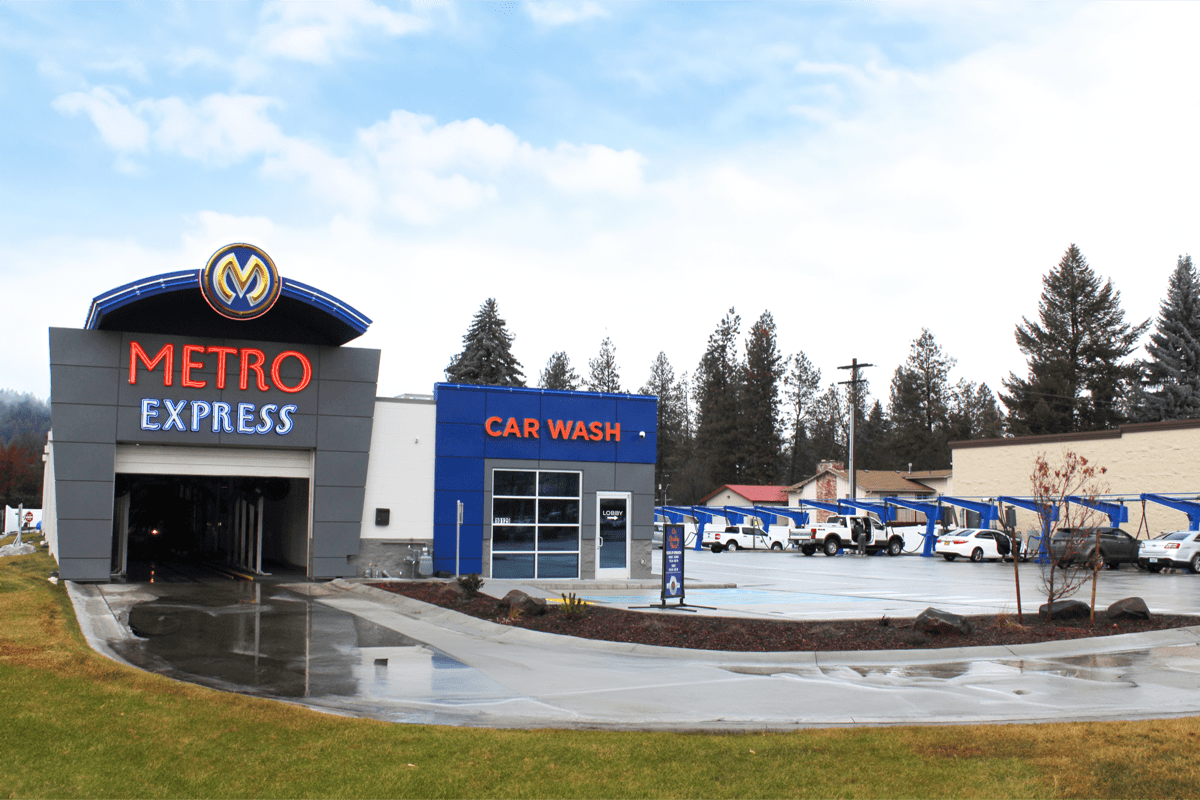
Nobody has ever walked into a cocktail party and said “let me tell you about my car wash portfolio,” which is why the economics are so good.
Express car washes run on a subscription model—$25–$40/month for unlimited washes—creating recurring revenue that looks more like SaaS than real estate. Labor is minimal, throughput is high (150+ cars per hour), and gross margins regularly exceed 80%.
Private equity has been consolidating this sector aggressively (Mister Car Wash, Driven Brands, Whistle Express), while the fragmented independent landscape is enormous.
Best markets are Sun Belt suburbs with high car ownership and weather that doesn’t shut you down five months a year.
#4: RV Parks & Campgrounds
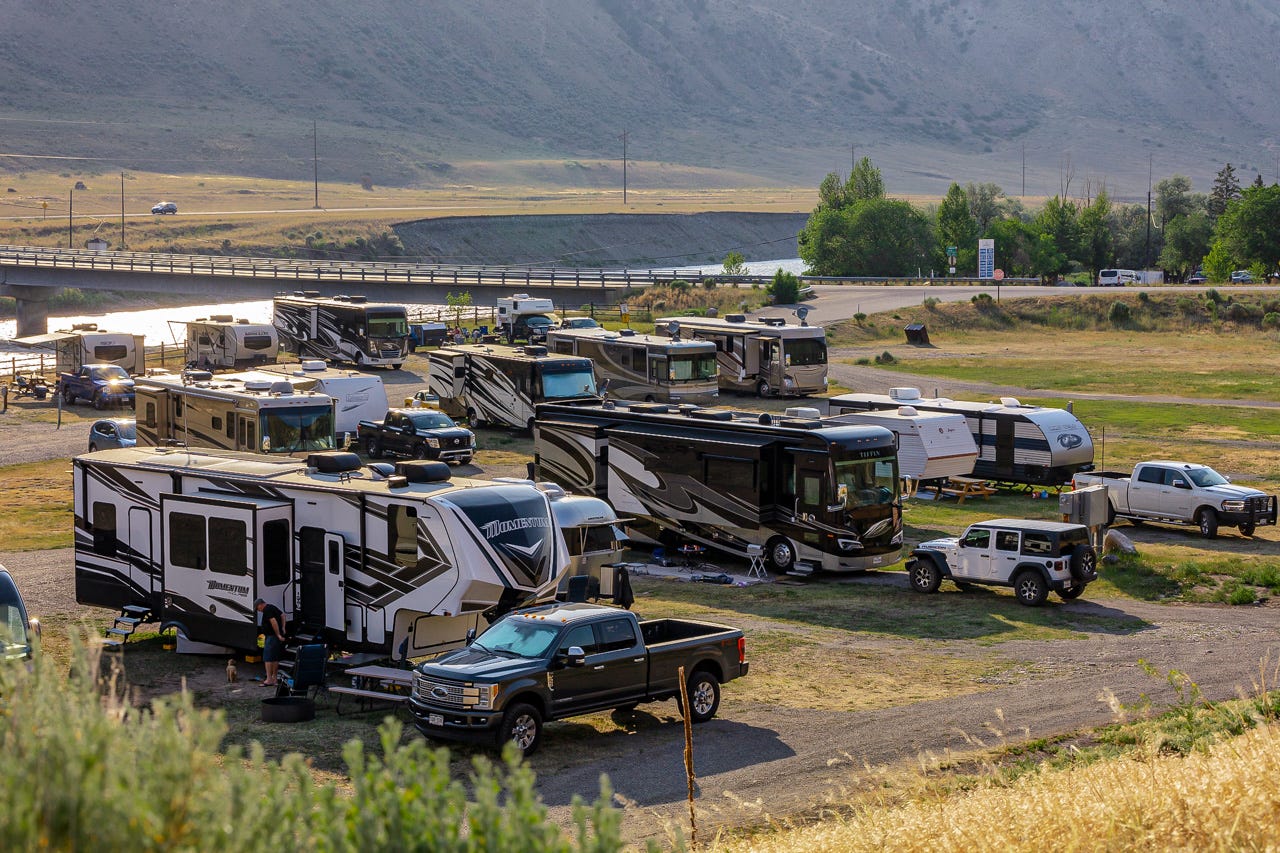
The budget end of outdoor hospitality (not glamping) has the economics of self-storage with the demand tailwinds of the experiential economy, and almost nobody is underwriting it.
There are roughly 27,000 campgrounds in the U.S., and the vast majority are family-owned and operationally unsophisticated. That’s exactly what self-storage looked like before Public Storage and Extra Space rolled up the market.
You own the land, tenants bring their own assets, capex is minimal, and occupancy in well-located parks runs 85–95%. Mom-and-pop parks trade at 7-9 caps and can be repositioned to 5-6 caps through professional management.
Outdoor recreation demand is structural, supply is constrained (try permitting a new RV park near a national park), and the consolidation runway is massive.
#3: Manufactured Housing Communities
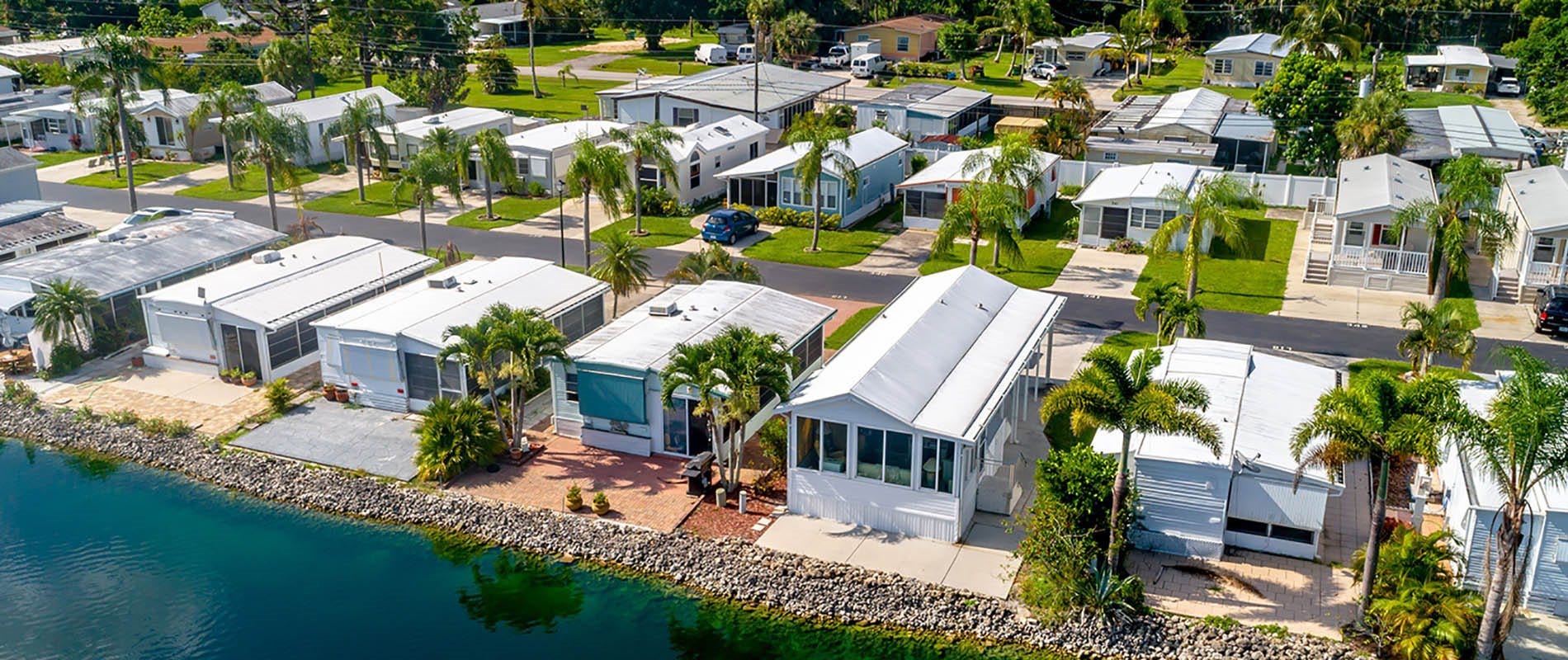
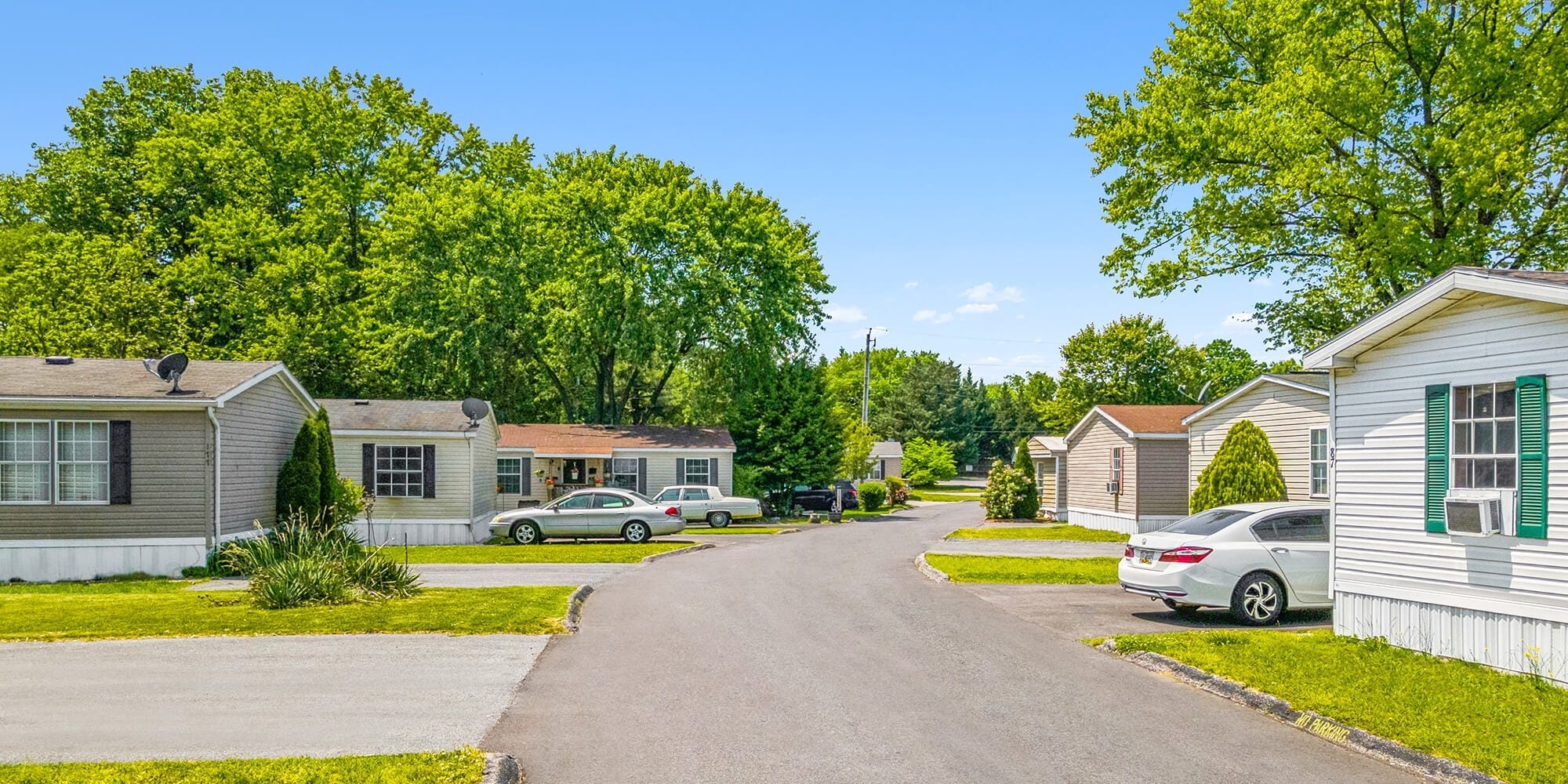
Say “trailer park” among your friends and watch the room recoil. Say “manufactured housing community” to an institutional investor and watch them write a check.
That disconnect = opportunity.
You own the land, residents own their homes. Capex for the landlord is nearly zero. Residents pay $300-$700/month in lot rent and almost never leave because relocating a manufactured home costs $5,000 to $10,000.
Turnover is under 5% annually, compared to 50%+ in conventional apartments.
Manufactured housing is the largest source of unsubsidized affordable housing in America, serving a growing demographic that has nowhere else to go. And supply is permanently constrained: most municipalities have made it effectively impossible to permit a new community.
Sam Zell figured this out decades ago. The private market is still catching up.
#2: Small-Bay Industrial / Flex
This is the asset class I’m most excited about right now.
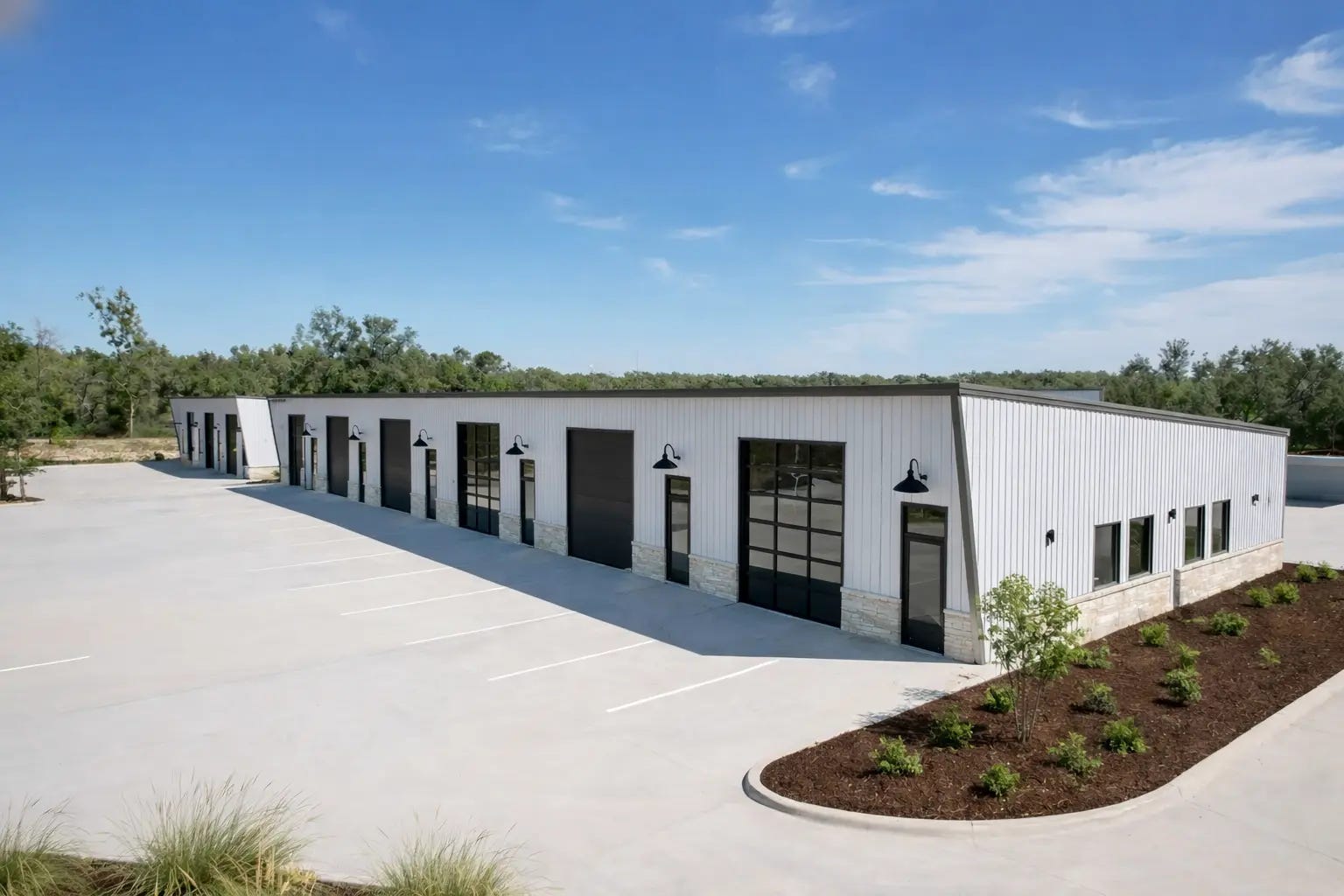
Small-bay industrial is the 1,500-5,000 square foot flex/warehouse unit leased to contractors, tradespeople, and small businesses: The HVAC company that needs a bay for trucks and parts, or the electrician who needs a shop with a roll-up door.
These tenants are the backbone of every local economy, and nobody is building for them.
New industrial development has overwhelmingly focused on big-box logistics: 200,000+ SF distribution centers. Small-bay has been ignored, which means supply is frozen while demand grows.
Rents are climbing 8-12% annually with virtually no new competition. Vacancy in well-located facilities is often below 3%. And the operational complexity is a real moat: you’re managing 30-50 tenants instead of one, which keeps institutional capital out and prices low for operators who can handle it.
#1: Self-Storage
The king of boring.
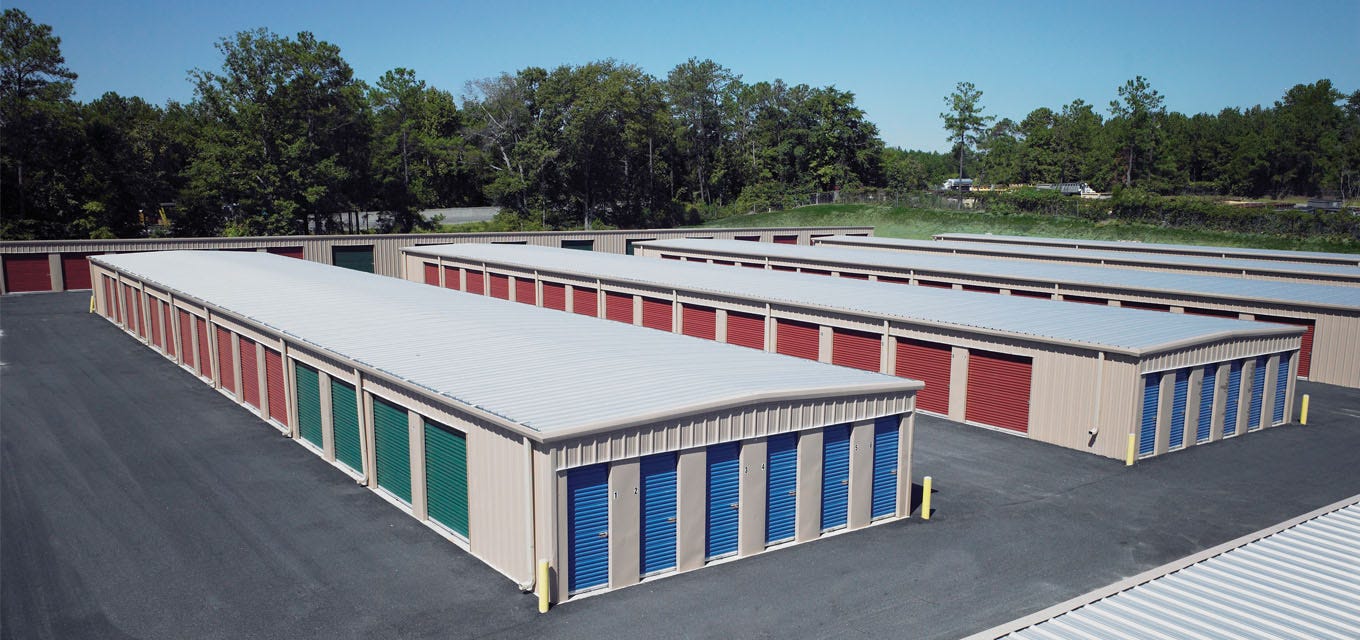
Self-storage has quietly outperformed every major real estate asset class over the past 25 years, and the opportunity is still enormous.
Stabilized facilities run at 90%+ occupancy with 70-80% operating margins, minimal capex, and recession-resistant demand. Customers stay an average of 14 months despite intending to stay for three: once your stuff is in a unit, inertia takes over.
There are roughly 60,000 facilities in the U.S. and the top six operators control only about 20% of the market. The remaining 80% is independently owned, often by families running a facility without a website, dynamic pricing, or professional management.
This is the single largest consolidation opportunity in commercial real estate. The operators we work with are proving that niche positioning within self-storage generates outsized returns. Many deliver a +30% revenue increase in year one by simply professionalizing operations that hadn’t been touched in decades.
Self-storage is the best boring real estate investment and may also be the best risk-adjusted investment in all of real estate.
So if you’re looking at this list and thinking “none of these are exciting,” that’s the point.