


If you want to understand what’s happened to America’s great lifestyle towns over the past twenty years, study two zip codes:
02554 and 81611.
And two names: Steve Karp and Gary Friedman.
Both have been the forces of nature developing & shaping the downtowns of their respective enclaves, but with two very different approaches—and outcomes.
Nantucket and Aspen were once scrappy seasonal outposts. Nantucket was a cobblestoned, hard-to-get-to summer enclave for Boston’s doctors, lawyers and bankers. And Aspen was a funky, “lawless” (also hard-to-get-to) mountain town-playground for ski bums, Hunter S. Thompson, and Hollywood’s rebel crowd.
Now they’re both embedded in the global billionaire migration map. No PJ lineup is more impressive than Aspen Airport’s. And the Nantucket marina’s summer yacht scene is rivaled only by Palm Beach.
But if you visit each back-to-back, the vibes are incredibly different.
Nantucket still feels… quiet.
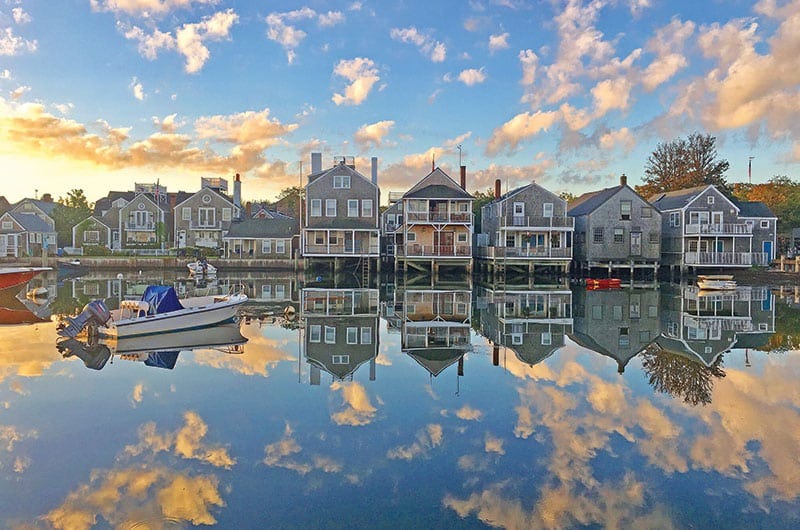
Yes, the houses trade at $10-50 million. And the yachts have gotten larger. But the island’s visual language hasn’t changed much, with weathered cedar shingles and hand-painted signs. And instead of luxury retail and global restaurant groups, the brands that matter are local: Something Natural, Millie’s, Force Five, 167, Chicken Box, Cisco, Bartlett’s, Straight Wharf, Sandbar…
Aspen, on the other hand, feels like luxury’s open-air trade show.

The streets are lined with the signs of fashion’s biggest names: Moncler, Prada, Brunello, Chanel and Chrome Hearts. Private equity titans walk around in runway-ready ski fits (and never ski) shelling out hundreds of thousands in initiation fees for the private members clubs that are popping up everywhere. And every year another local staple disappears (RIP Boogies, Red Onion, Jimmy’s, Little Annie’s…).
But these outcomes aren’t accidental.
They mirror the two billionaires who most shaped each town’s physical and commercial core, wielding enormous real estate influence in America’s most supply-constrained lifestyle markets—but in entirely different ways.
Karp’s Nantucket—The Invisible Empire
When you walk Nantucket’s harbor, you’re moving through Steve Karp’s $100mm Nantucket balance sheet.
The White Elephant
Jared Coffin House
The Boat Basin
Large stretches of Straight Wharf and downtown Main Street retail
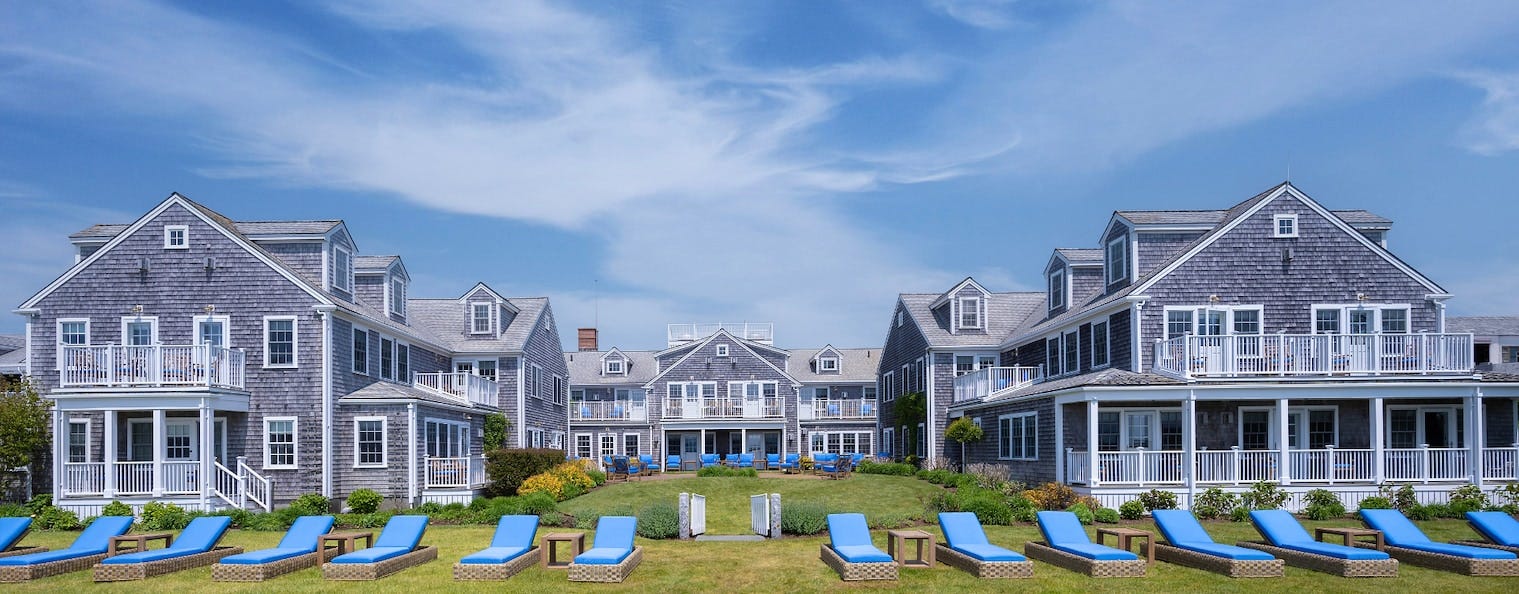
Much of the island’s high-end lodging and a meaningful share of its commercial storefronts trace back to entities affiliated with Karp’s New England Development.
Over several decades, he’s acquired the operating backbone of the tourist economy: hotels, wharf infrastructure, marina slips, restaurants, and the retail blocks that serve both tourists and locals.
It started in 2005, when Karp-controlled entities acquired dozens of downtown properties in a roughly $55 million portfolio transaction, consolidating a significant share of the commercial core. More recently, acquisitions such as the former harbor-area fuel-tank site expanded his influence over waterfront adjacency.
His methods have been incremental and pretty opaque, acquiring properties through a number of LLCs and surfacing publicly only during permitting or redevelopment hearings.
Equally notable has been his relationship with local authorities and the local community, working toward a common goal to maintain and protect the existing brand that is Nantucket.

This approach has allowed Karp to expand influence without triggering the kind of sustained backlash that often accompanies concentrated ownership, like Friedman.
Friedman’s Aspen—Branding a Mountain Town
If Karp built Nantucket like a portfolio manager, then Gary Friedman approached Aspen like a creative director.
Friedman—the chairman and CEO of RH—has spent the past several years assembling and developing a cluster of hospitality, retail, and residential assets intended to function as a fully integrated RH ecosystem within the town’s urban core.
The centerpiece is a multi-component development announced in 2021, representing roughly $105 million of investment across an RH Gallery, Guesthouse, spa, food-and-beverage venues, and branded residences.
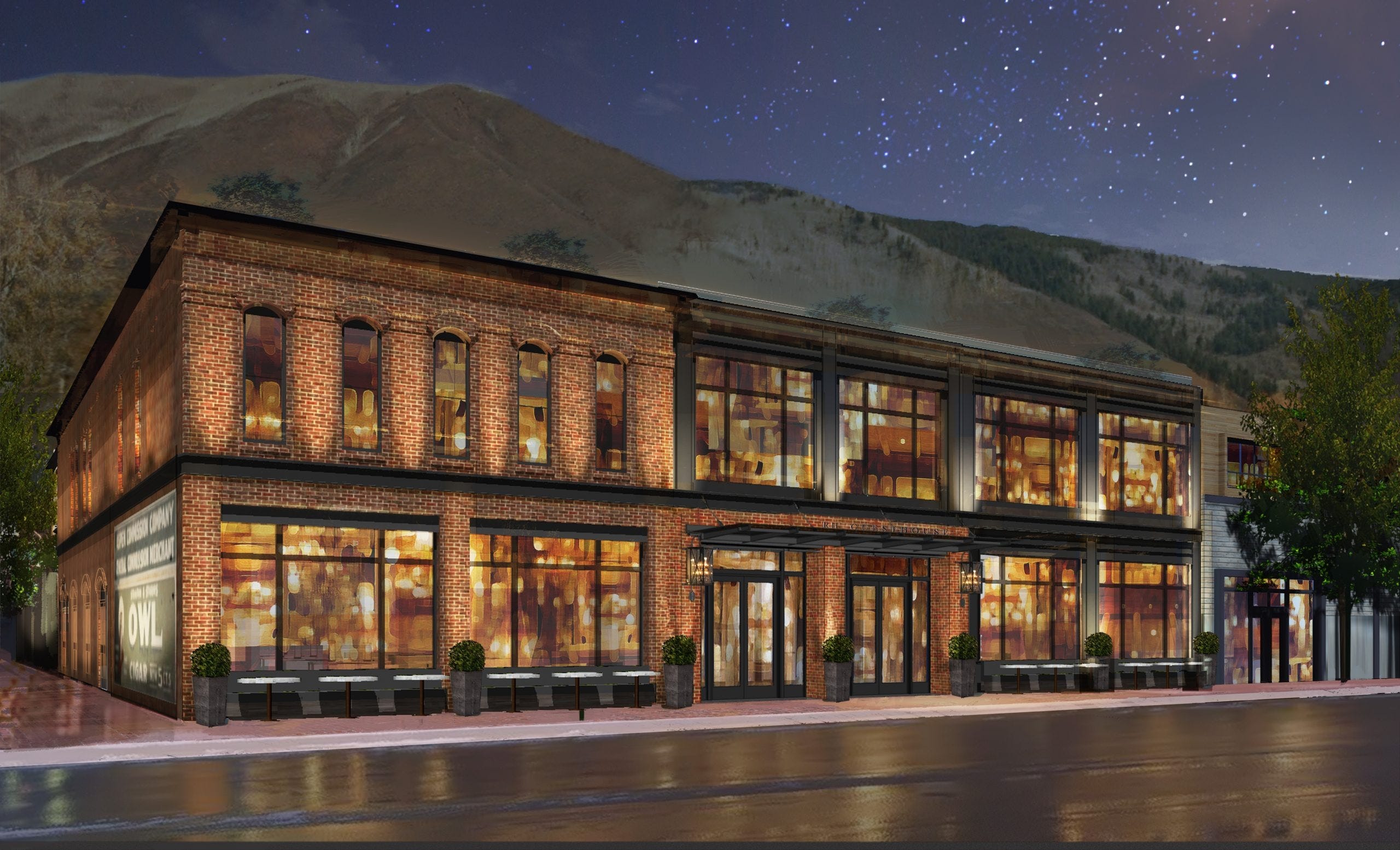
The gallery concept—part retail store and architectural exhibition space—anchors the district, with hospitality and residential uses designed to extend the brand into overnight and experiential formats.
Unlike Karp’s portfolio of existing inns and commercial buildings, Friedman’s Aspen strategy has leaned heavily toward ground-up repositioning and adaptive redevelopment. And progress has unfolded publicly.. with aggressive local response and municipal scrutiny around architectural fit and the broader commercialization of Aspen’s downtown fabric.

Where Karp embedded within an existing operating system, Friedman has attempted to construct a branded overlay—introducing a vertically integrated luxury environment that merges retail, lodging, and residential real estate under a single design and service philosophy.
Which explains why Aspen has lost nearly all its charm.
Lessons for Investing in Lifestyle Towns
The next decade will watch a number of professional investors and operators reshaping the next Nantuckets and Aspens.
For players chasing exposure to lifestyle markets—ski towns, islands, wine regions—Karp and Friedman offer two playbooks.
1. Control the Operating Spine
Karp’s success underscores the durability of owning tourism infrastructure, i.e., hotels, marinas, retail and food & beverage nodes. These assets capture visitor spend regardless of housing cycles and quietly compound pricing power over time.
2. Brand Can Be a Development Strategy
Friedman demonstrates how luxury branding itself can drive real estate value, e.g., embedding RH’s design language into hospitality and residential offerings, he transforms buildings into marketing platforms… but comes at the expense of ruining the existing fabric of the town
3. Social License Is an Underwritten Risk
Both men faced community scrutiny. Karp mitigated it through concessions and discretion; while Friedman through messaging and design diplomacy. In lifestyle towns, approvals are cultural as much as regulatory.
4. Identity Is an Investable Variable
Perhaps the most important takeaway: lifestyle towns generate returns and narratives. Investors shape those narratives—whether intentionally or not.
Karp preserved Nantucket’s mythology. Friedman is rewriting Aspen’s.