


It feels like half my friends are now in “micro PE.”
One is buying HVAC companies outside Philly. Another is rolling up roofing crews in the Sunbelt. A third is trying to consolidate “premium pest control” (i.e., pest control with a better website and a podcast).
They’re all chasing the same thing:
fragmented markets
Boomer owners ready to retire
operational messes that a “real operator” can clean up
a path to a higher exit multiple
I get it. There’s real money in that game.
But there’s a Boomer roll-up hiding in plain sight that’s arguably better on risk-adjusted returns, operational pain, and sexiness as an investment.
It’s ranch land.
Owning a portfolio of ranches with lakes, streams, elk, and a cattle operation that actually throws off cash is, in my opinion, a dramatically more enjoyable sentence to say at dinner than “we’re optimizing technician dispatch and invoicing.”
And if you do it right, it’s also a cleaner investment profile.
You’re starting with a hard asset that benefits from long-term appreciation tailwinds, one that tends to have low correlation to conventional real estate cycles. At the same time, there are multiple value-add levers—ag operations, water, recreation, conservation, even carbon—and way less people-management hell than running fourteen HVAC branches.
Also: nobody at the country club asks you about your HVAC roll-up. They ask you about the ranch.
So I’ve started going down the rabbit hole. I’m not trying to become a ranch operator myself (I can barely keep a houseplant alive), but I am actively tracking the groups that are building real portfolios and the strategies that make this space interesting.
What follows is a simple thesis.
Why ranch land is the Boomer roll-up trade
The headline is: American landowners are aging out.
This is the same demographic driver behind the HVAC/roofing roll-ups—except the underlying asset is land, not a service business whose value disappears the second your manager quits.
A few facts to know:
The U.S. has 600-700 million acres of pasture and rangeland, and the market remains massive yet surprisingly sub-institutional—too fragmented, local, and often too operationally idiosyncratic for large pools of capital. Owners also skew old: a meaningful share of ranches are held by people at or near retirement age, many of them without a clean succession plan.
Meanwhile, there’s steady upward pressure on quality ranch land: demand for cattle production doesn’t disappear, recreational demand keeps growing, and land near growth corridors gets more valuable over time.
The most important point: great operators create alpha here the same way great operators create alpha in “boring” roll-ups:
Buy fragmented assets from retiring owners
Professionalize operations
Layer in multiple revenue streams
Build a portfolio that a bigger buyer will pay up for
The ranch version is just… more fun.
And operationally, it can actually be simpler than people assume. Yes, ranching is real work. But compare it to home services:
HVAC is a daily knife fight for labor, reviews, callbacks, and dispatch efficiency
Ranch operations are physical and seasonal, with fewer moving parts on the customer side
The real “platform” is land + systems + management discipline, not a thousand customer relationships and a call center
Ranch roll-ups are closer to real estate + light operating business, which is a sweet spot if you care about durability.
How the pro operators create value
The lazy take is “buy dirt, wait.” But that’s not the play.
The smart roll-up is: buy dirt, improve dirt, monetize dirt in more than one way.
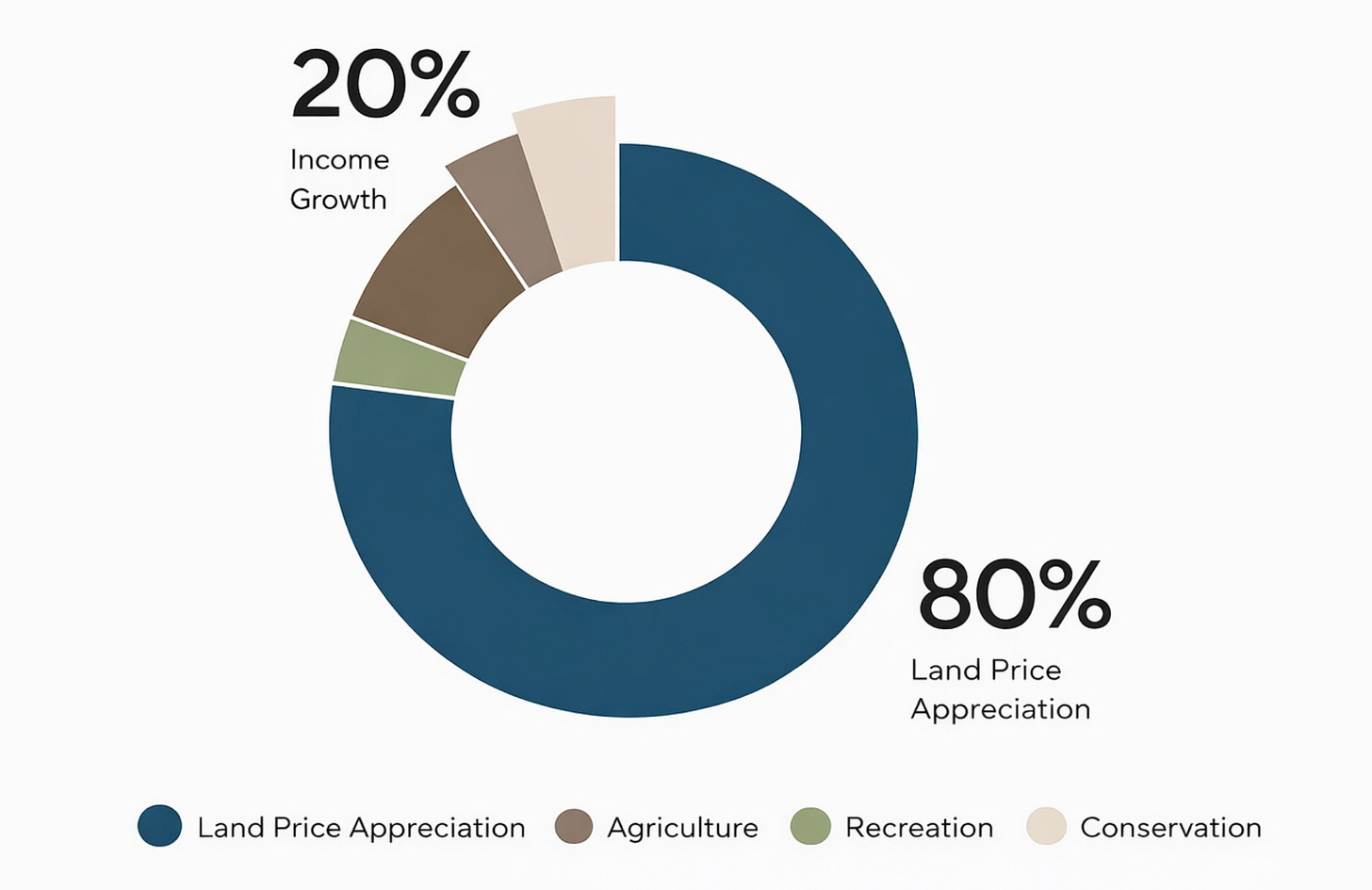
The repeatable value levers typically look like this:
Improve core agricultural economics through rotational grazing and pasture management, investment in water systems and fencing, optimized stocking rates, more disciplined equipment and capex decisions. Throw in more professional herd management and better sale timing.
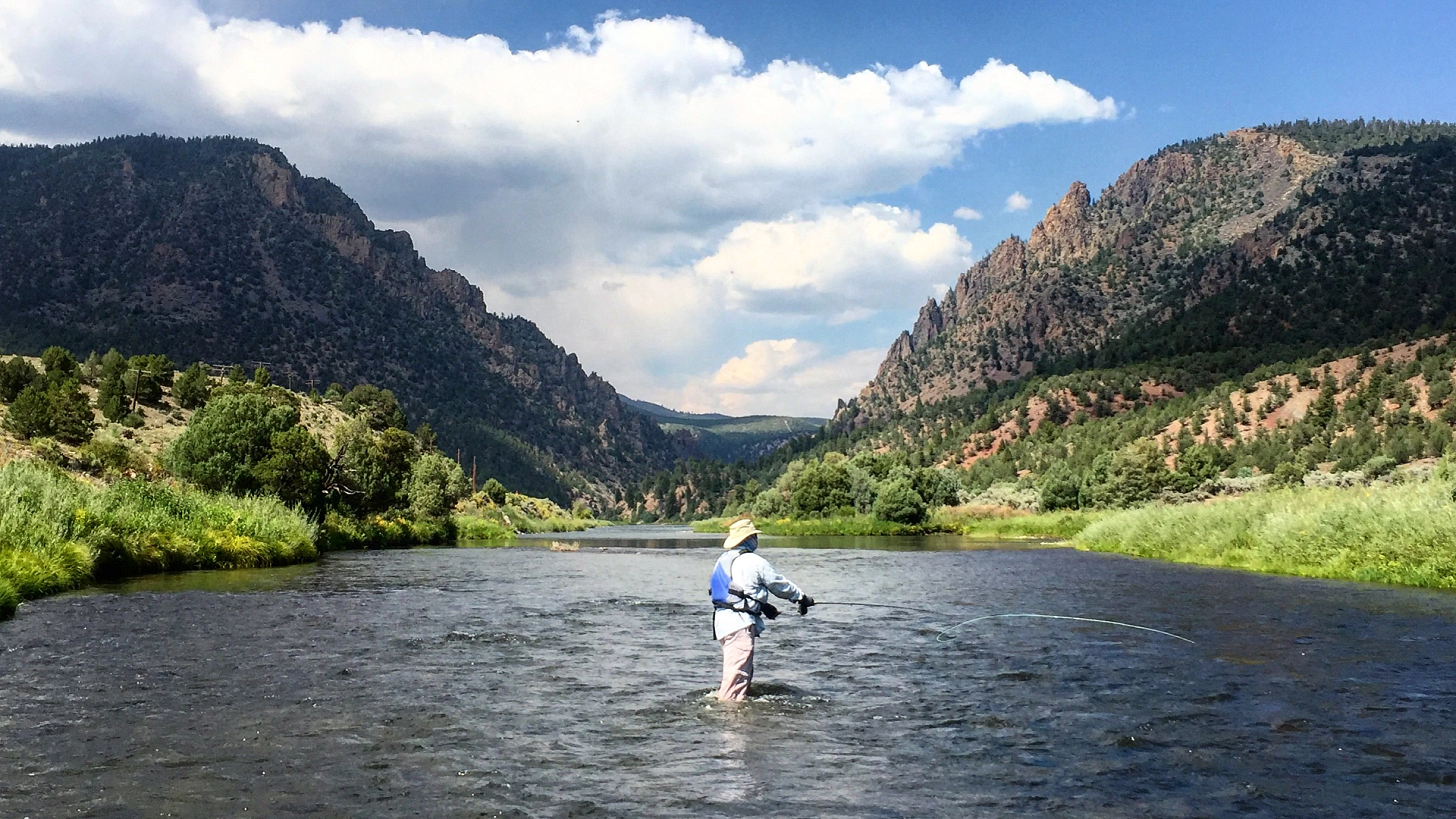
Add higher-margin recreation yield: hunting leases (deer / elk / waterfowl); fishing access + pond/stream improvements; guided trips + cabins / “dude ranch lite”; often under-monetized by legacy owners.
Monetize conservation and environmental value through easements (which can provide both cash and tax advantages), carbon programs, and habitat improvements that often enhance recreation economics at the same time.
Monetize conservation + environmental value: conservation easements (cash + tax advantages); carbon programs; habitat improvements that also enhance recreation economics.
Portfolio-level advantages: purchasing power + vendor leverage; shared operating playbooks; institutional reporting + governance; stronger lender + buyer credibility.
The key is that a portfolio can become more than the sum of its ranches—and that’s what creates an exit premium.
A simple example value-add deal (back-of-napkin)
Here’s a simplified illustration of how a value-add ranch investment can work for LPs. This is not a promise, just a clean way to think about the mechanics.
Target acquisition
Buy a 10,000-acre ranch portfolio (roll-up a few properties in one region)
Purchase price: $25.0M
Improvement capex over 24 months: $2.5M (water, fencing, roads, modest lodging/cabins, habitat work)
Total basis: $27.5M
Income plan (stabilized)
Base income (grazing/cattle leases or ops): ~2.0% yield on basis = $0.55M/yr
Post-improvement + better management: ~3.0% = $0.83M/yr
Add hunting/fishing leases + simple lodging: +1.0% = $0.28M/yr
Stabilized cash yield: ~4.0% on basis = $1.10M/yr
Value creation / exit
Land appreciation assumption: 4-5% per year (long-term, not heroic)
Additional uplift from “making it better” (water + access + recreation + ops): +10-15% value step-up by year 5-7
Exit in year 7 at ~$38-40M gross value (basis + appreciation + value-add)
Simple return profile (illustrative)
Annual cash distributions: roughly $1.1M/yr stabilized (after ramp)
Sale proceeds: $38-40M in year 7
Total value on $27.5M basis: ~1.6-1.8x MOIC over 7 years
Implied IRR: high single digits to low teens depending on leverage, timing, and whether conservation/carbon monetization is additive
That return profile might not excite your friend who is underwriting an HVAC roll-up at “3x EBITDA going to 8x EBITDA.”
But it will excite anyone who likes hard-asset downside protection, inflation-hedging characteristics, less key-person and labor fragility, and a portfolio you can actually touch, visit, and understand.
Bonus: you can bring your kids to the asset and not feel morally compromised. It’s an investment that easy to explain—and even easier to feel good about owning.
What I’m doing next
I’m treating this like any other emerging “operator + platform” opportunity:
I’m building a map of the serious operators and capital partners in the space. I’m working to understand who has a real repeatable acquisition engine—not just one trophy ranch—and to separate the actual ranch operators from the “we bought land once” tourists. I’m also pressure-testing where returns really come from: operations, appreciation, recreation, or conservation.
I’ll come back soon with a short list of operators and platforms that I think are actually doing it right.