

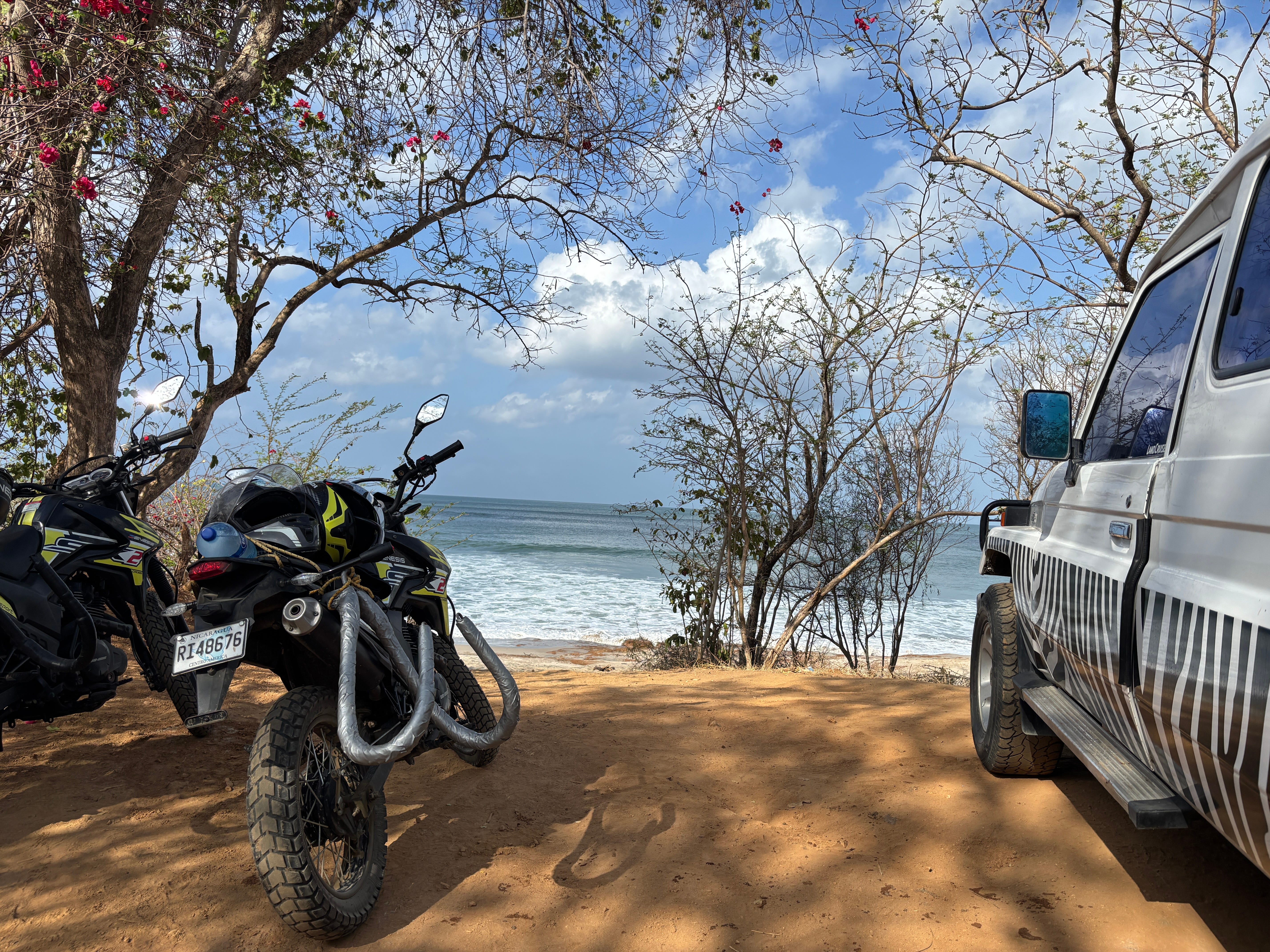
I just got back from a surf trip to Nicaragua. The trip starts the way most of these trips start: landing somewhere that doesn’t feel like a vacation destination (in this case, Managua Airport); navigating what feels like an illegal rental car experience; and driving through farms where dogs and cows wander onto the highway. I sat stalled for thirty minutes behind a funeral, a casket in the bed of a pickup truck, with a village walking behind it.
By the time the coast appears, the airport feels like another country. There are no resorts, just beaches and cliffs, locals surfing the same breaks they’ve surfed for generations, beachfront bars with dollar beers, and bonfires at night. Each morning I took a boat in the dark to a break nobody’s named on a map, with a few people nobody knew the day before, and surfed for five hours. Came back, ate lunch, surfed again. In bed by 8 PM with a tuna burger, four Toña beers, and the deep, animal exhaustion of a body that did something all day.
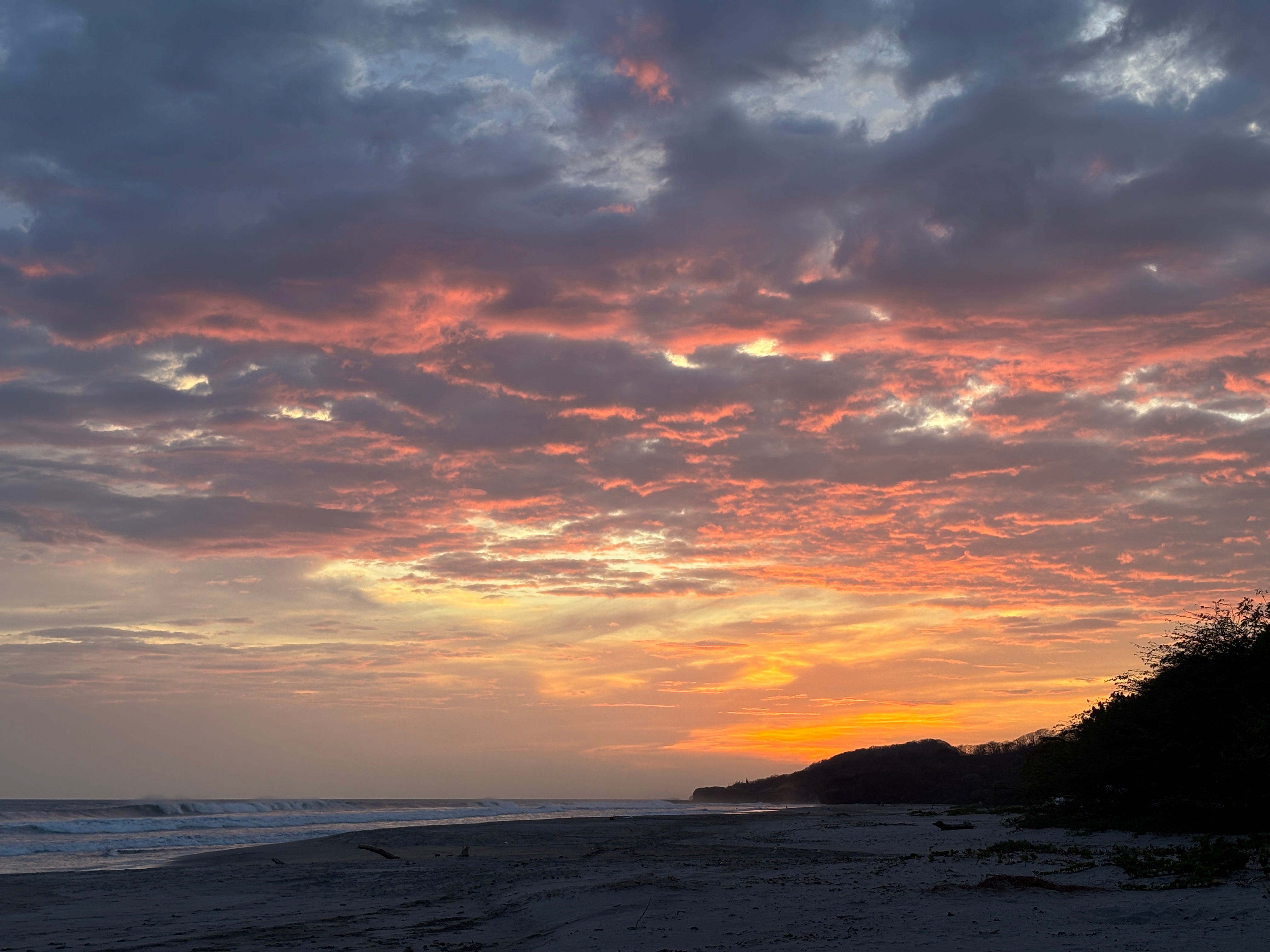
The next morning, it happens again.
These trips - whether hunting, fishing, surfing, backcountry skiing - share a set of ingredients that no luxury hotel can replicate:
Shared physical pursuit that’s adventurous and sometimes (slightly) dangerous,
Remote location that takes real effort to reach,
Forced disconnection by geography rather than virtue,
Immersion in a local economy that is set in nature, and
A small, self-selected group of people who become close (because the format forces it).
They also share something else. They’re almost impossible to find online. The best spots have minimal internet presence with sparse lodging and a local service infrastructure - where nothing is branded. Most of them get booked through a friend who heard about them from someone they met on a previous trip.
They cost a fraction of what most “luxury” travel costs. And the wealthier my friends get, the more they prefer them to anything a Four Seasons could offer.
The Missing Brand
A few operators have tried to institutionalize this.
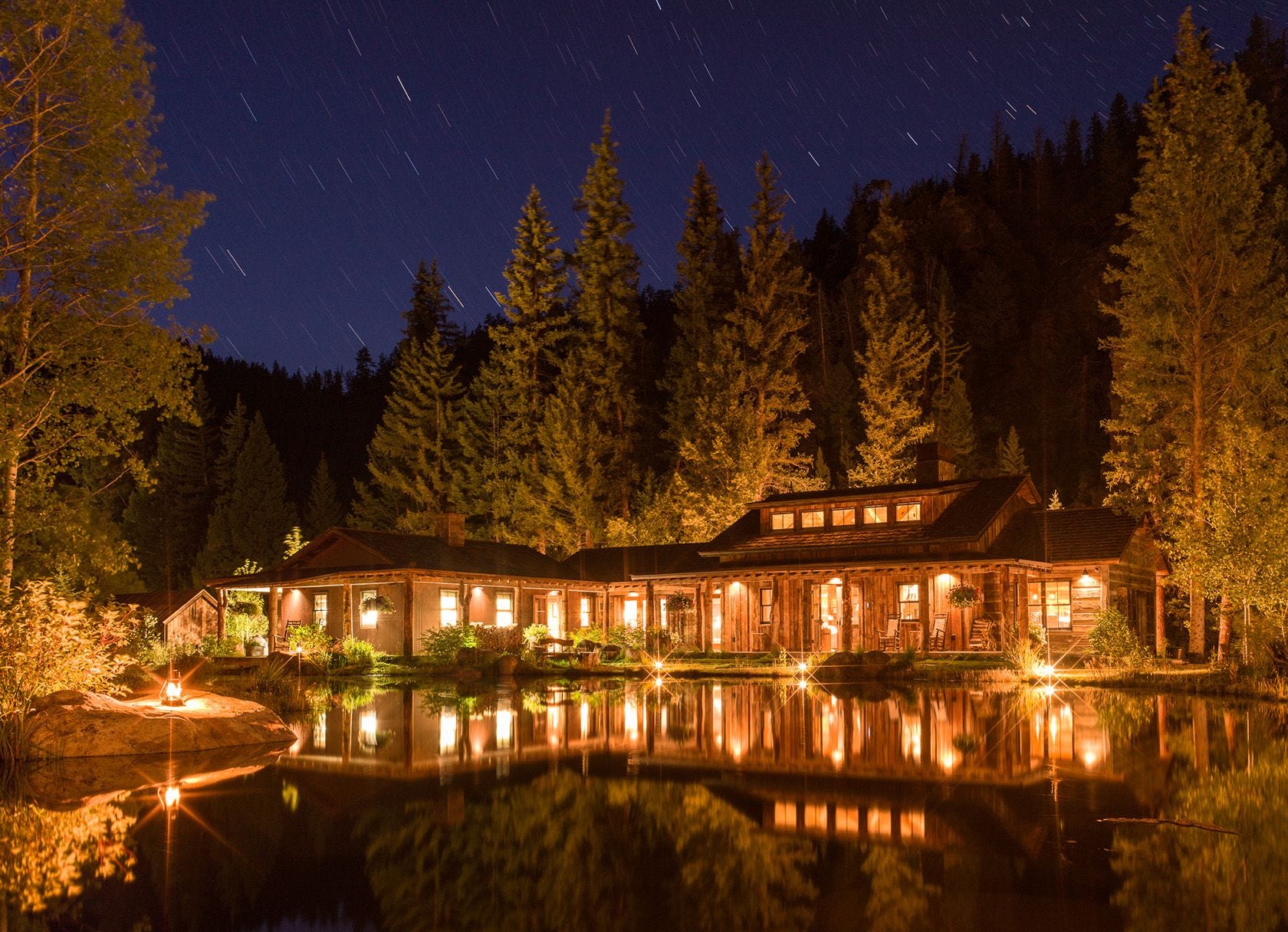
Eleven Experience, founded by former Blackstone real estate executive Chad Pike, runs roughly a dozen properties globally focused on heli-skiing, surfing, fishing, and other adventure pursuits, with week-long programs north of $10K per night
Venator is positioning itself as a high-end branded experience for affluent hunters
Explora pioneered the luxury adventure lodge model in Patagonia more than two decades ago
Singita built one of the most respected luxury brands in the world by mastering the African safari
Each is a niche within a niche, and the aggregate market remains fragmented. The dominant adventure travel brand, the “Aman” or “Six Senses” of extreme outdoor experiences, doesn’t exist.
It should, in theory.
The adventure travel industry is worth over $700 billion globally. HNW and UHNW populations are growing faster than at any point in modern history. And the most thoughtful wealthy travelers are quietly bored of the conventional luxury product; the six-star resort has become a commodity. The Maldives overwater bungalow is fungible across thirty different brands. A truly memorable experience requires something more than a butler and a tasting menu.
The demand is there, and so is the capital. What’s missing is the brand.
What the Right Brand Might Look Like
A small portfolio of owned or partner properties in the world’s best spots for specific sports:
Experiences built around the experience infrastructure: surf breaks in Indonesia, Nicaragua, and the Mentawais; heli-ski terrain in British Columbia, Alaska, and Japan; fishing in Argentina, Iceland, and Kamchatka
A guide network hired locally and paid well, because the people who make these trips great are local operators, not corporate transplants
A community model rather than a hotel model, built around repeat guests and a shared culture of seriousness about the sport
Lodging that’s elevated but not sterile: a beautifully built hunting lodge or surf camp, not a Four Seasons dropped onto a remote coastline
A digital experience that’s intentionally minimal, because the value of the brand is what happens once the phone goes away.
The economics could work: ultra-low-volume, high-margin, deeply differentiated. The brand becomes a status object… not because it’s expensive but because it’s hard to access and the experience is genuine.
The Counterargument
But there’s a real argument that this whole thesis is wrong.
The thing that makes these trips great is precisely the absence of brand: the lack of polish, the local guide who isn’t on a corporate org chart, the dollar beer at the unmarked bar, the fact that nobody is monetizing the experience beyond a fair price for honest labor. The moment a luxury brand wraps itself around all of this, something essential gets lost. The community of serious surfers gets replaced by people who heard the brand was cool, the local guides get squeezed out, and the bonfire becomes a “fireside experience” for Instagram.
Maybe these trips are great precisely because they refuse to scale. The scarcity, the cheapness, and the lack of monetization are core the amenity. They keep the people who don’t really want to be there from showing up and preserve the culture that makes the trip worth taking.
If someone does build the great adventure travel brand, the hardest part won’t be raising capital or finding properties. It will be designing a business that grows just enough to sustain itself, and then refuses to grow any more.
That’s probably not a venture-backable business. But it might be the only version of this category worth building.
There's few spaces as equipment and guide intensive, while greatly exposed to liability than adventure travel. It defies cookie cutter and scalability. For example, a mountain biking activity means dramatically different things to people, and quality equipment is difficult to source and maintain. Of course, it's risky as well.