

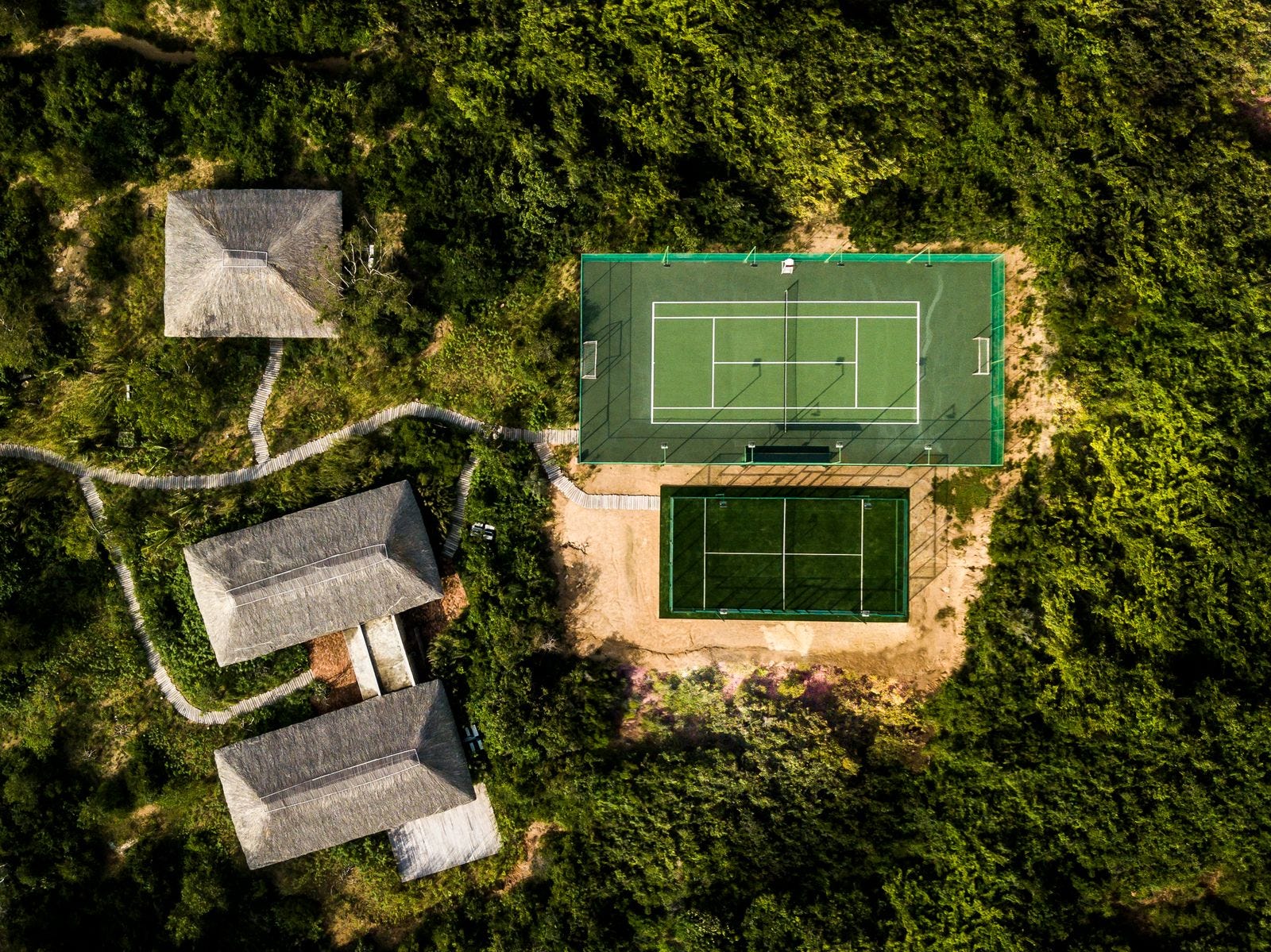
A 2,150-square-foot glass box is producing some of the best unit economics in real estate.
I played padel for the first time a few years ago. I’m not a racquet sports “purist” (i.e., I don’t scoff at people who play pickleball). But I never really got pickleball. It felt like life-size ping pong… and it was loud.
Padel I got immediately. It has the footwork and feel of tennis, but the glass walls add a layer of angles and strategy that makes every rally feel like a chess match at full sprint.
And it prints money.
For the uninitiated—padel is a glass-enclosed court sport, about a third the size of tennis. Solid paddles instead of racquets. Walls are in play, like squash. Always doubles. It’s the fastest-growing sport in the world: 25 million players globally, number one participation sport in Spain and Argentina, 60+ countries in the international federation, and over 300 courts now open in the U.S.—with hundreds more breaking ground.
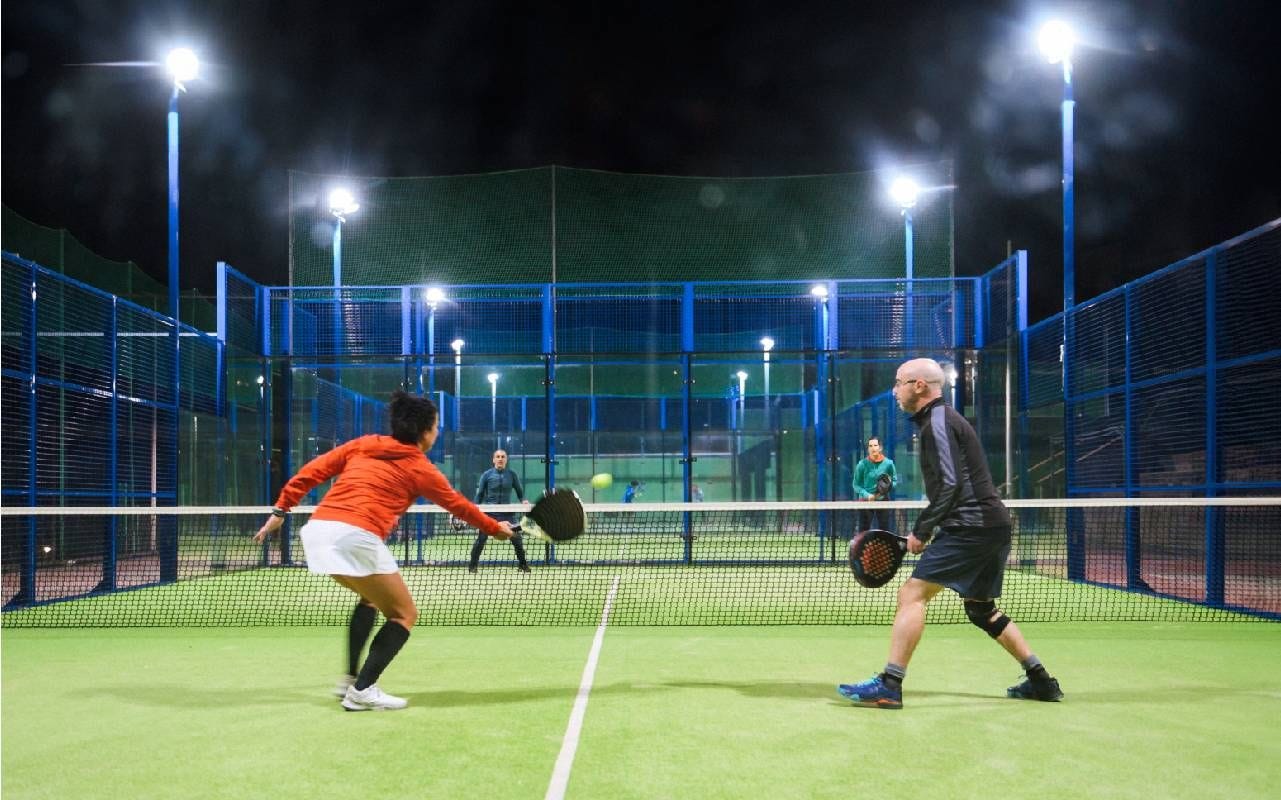
The “always doubles” detail is everything. You can’t play alone. Every session requires four people—which means four memberships, four drink orders at the bar after, and four referrals to friends. The viral loop is built into the rules of the game.
The real estate math
This is where it gets interesting. A standard padel court is roughly 2,150 square feet. With buffer space and common areas, figure 3,000–3,500 square feet per court. A typical facility runs 4–8 courts—total footprint of 15,000–30,000 square feet. That’s a dead Bed Bath & Beyond. Or a half-empty suburban strip center; or a warehouse nobody wants.
The conversion economics:
Build-out cost: ~$150K–$250K per court (glass enclosure, turf, lighting, HVAC, F&B)
Six-court facility total build-out: $1–$1.5M ($75/sqft), excluding lease
Compare to: boutique fitness at $300–$500/sqft, restaurants at $400+/sqft
Padel is meaningfully more capital-efficient than almost any comparable use, with minimal operating expenses thanks to a highly efficient staffing model compared to full gyms
The revenue model:
Court rentals: $60–$120/hour for four players, i.e., $15–$30/person (cheaper than SoulCycle)
Single court at 10 hrs/day, $80/hr average: ~$290K/year
Six courts: ~$1.7M in court revenue alone
Layer in memberships ($150–$300/month), coaching ($80–$150/hr), leagues, F&B, retail, events
Well-operated six-court facility: $2.5-$4M in annual revenue (with 35% EBITDA margins) on a $1.5M build-out
Those are SaaS-level returns on physical infrastructure.
Why this isn’t pickleball 2.0
The natural comparison is pickleball—but there are real structural differences. Pickleball retrofits onto existing tennis courts, which means it often competes with (and annoys) existing tennis infrastructure. Padel requires purpose-built glass courts, which means dedicated facilities, which means real development—not just painted lines on a public park.
More importantly, padel doesn’t need a star instructor. Unlike SoulCycle or Barry’s, the product is the game itself. No charismatic coach or “experience” to manufacture. The moat is the court, the community, and the location.
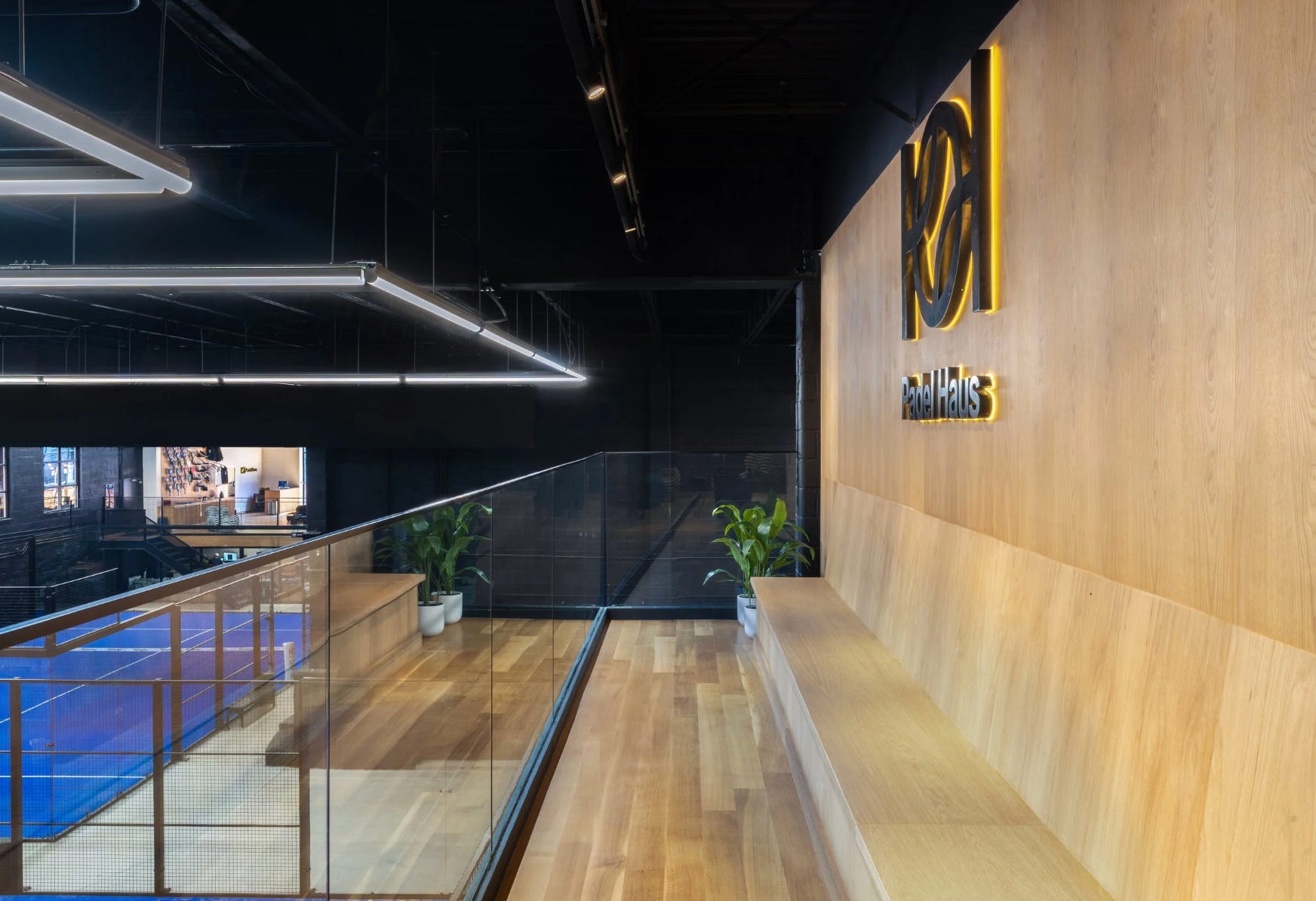
The operators moving fastest are Padel Haus (Brooklyn, Miami, Austin) and Hello Padel (multiple markets)—and raising capital faster. And then there are groups like Ballers who are bringing padel in alongside other small court/field concepts tied to F&B and social experiences.
The sleeper angle: residential padel
Every wealthy person who plays once asks the same question: “Can I build one at my house?”
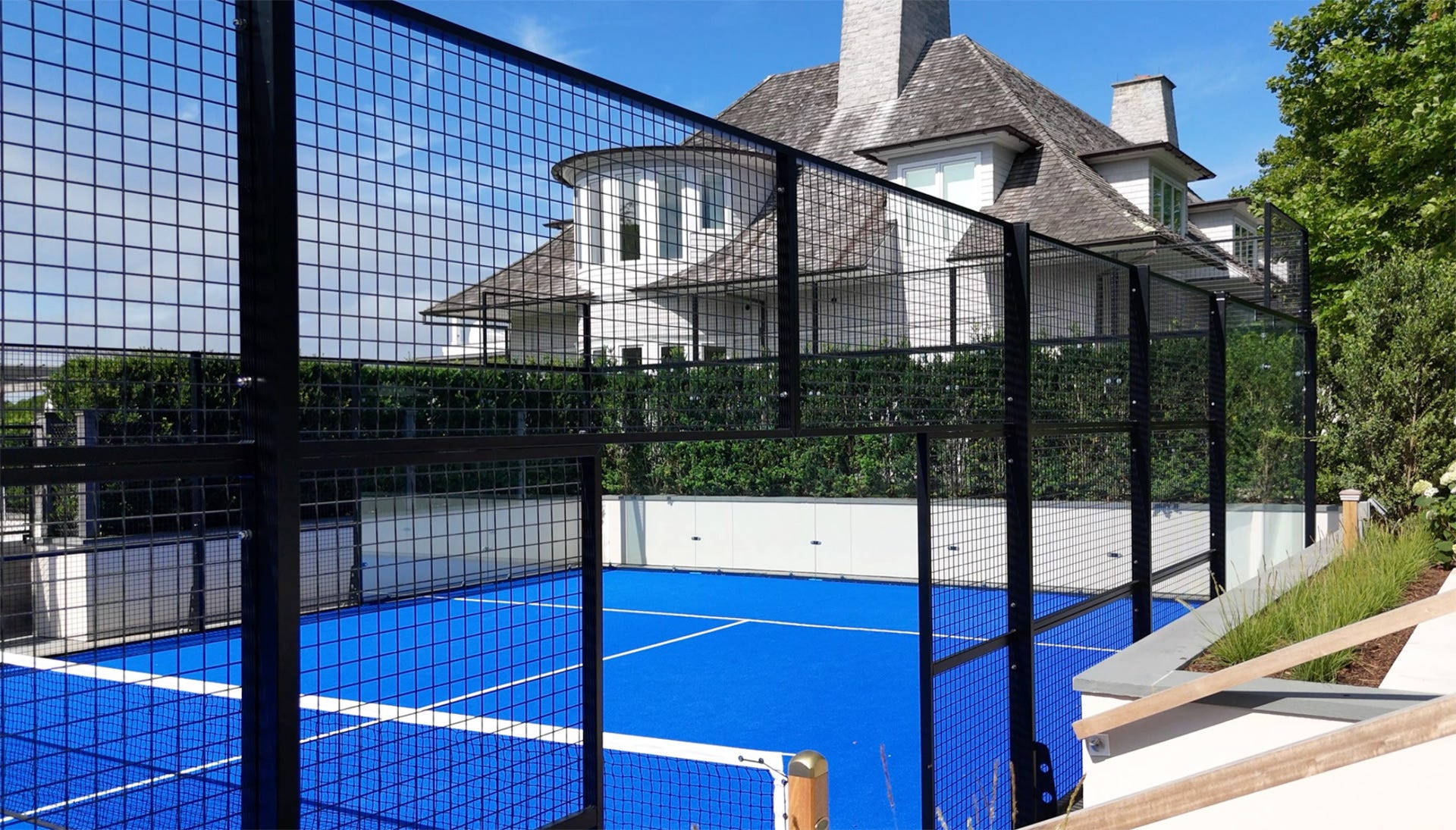
Private courts are already popping up across the Hamptons, Palm Beach, Aspen, and Malibu. An outdoor court runs $75K–$150K fully installed—a rounding error on a $20M property and instantly the centerpiece of every weekend.
Developers are taking note too. Padel courts are showing up in luxury condo amenity packages, replacing tennis courts that sit empty all day with padel courts that run 12 hours on a Saturday… smaller footprint; lower build cost; and dramatically higher usage.
The bottom line
The U.S. padel market is roughly where European padel was in 2015: early, fragmented, and about to go vertical. The operators who lock up the right locations and build real communities will create valuable portfolios ripe for institutional acquisition. And the investors who see a vacant 20,000-square-foot retail box and think “six padel courts and a bar” should be moving now.