

I took a meeting last month with a member at Kith Ivy, Ronnie Fieg’s members-only padel and wellness club in the West Village. The initiation fee is $36,000, and then annual dues run another $7,000. The rooftop has three enclosed padel courts designed by Wilson with New York’s first Erewhon outpost on the ground floor. The spa is a partnership with Giorgio Armani, Café Mogador runs the restaurant, and then there’s a Kith retail shop, a gym, cold plunge pools, a hammam, and IV therapy rooms.
It was, objectively, a great place to take a meeting. And that sentence is the entire thesis of this letter.
The private members club market in the United States hit $5.39 billion in 2025, and club applications have increased 42 percent since 2021. New York has added more members clubs in the past three years than in the prior two decades.
But most of these clubs (Zero Bond, Aman, San Vicente, Casa Cipriani) are built primarily around food, beverage, and social programming. And F&B-driven members clubs are a brutal business with thin margins and tough to sustain differentiation. Once the opening buzz dies down, a club that offers dinner, drinks, and a nice room needs to give members a reason to come back three times a week, not three times a year. And most can’t.
Racquet sports solve that problem. And the participation numbers are no longer a niche trend.
Tennis reached 27.3 million U.S. players in 2025, up 54 percent since 2019
Pickleball hit 24.3 million, up 171 percent in three years, with the average player age dropping from 41 to 35
Padel surpassed one million U.S. players in 2026 (up 250 percent since 2022), and more than 70 percent of new sports facilities built in 2024 included padel courts
And that’s just the mainstream layer. Squash, platform tennis, and the esoteric end of the spectrum (court tennis, rackets) round out a category where a single club can offer five or six sports under one roof.
None of this is new, of course.
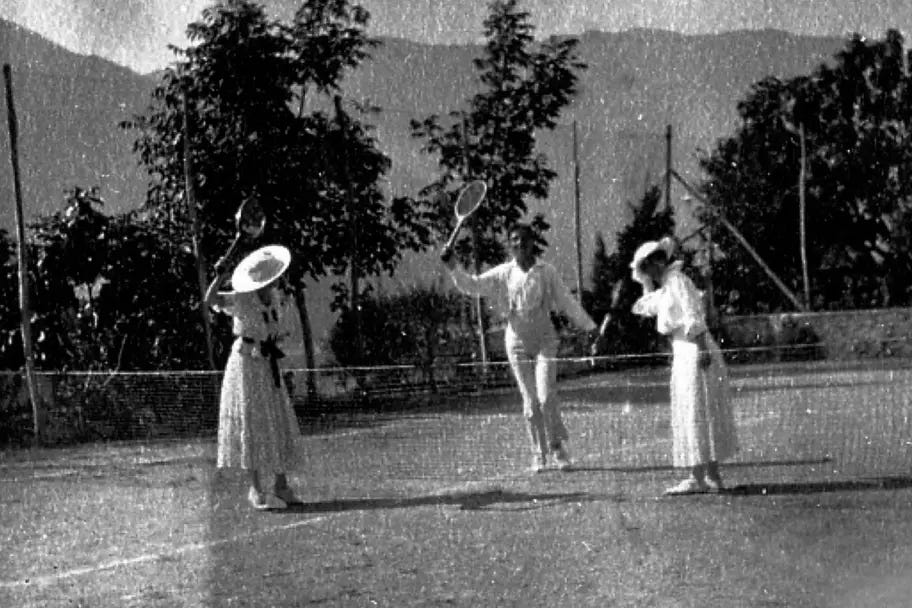
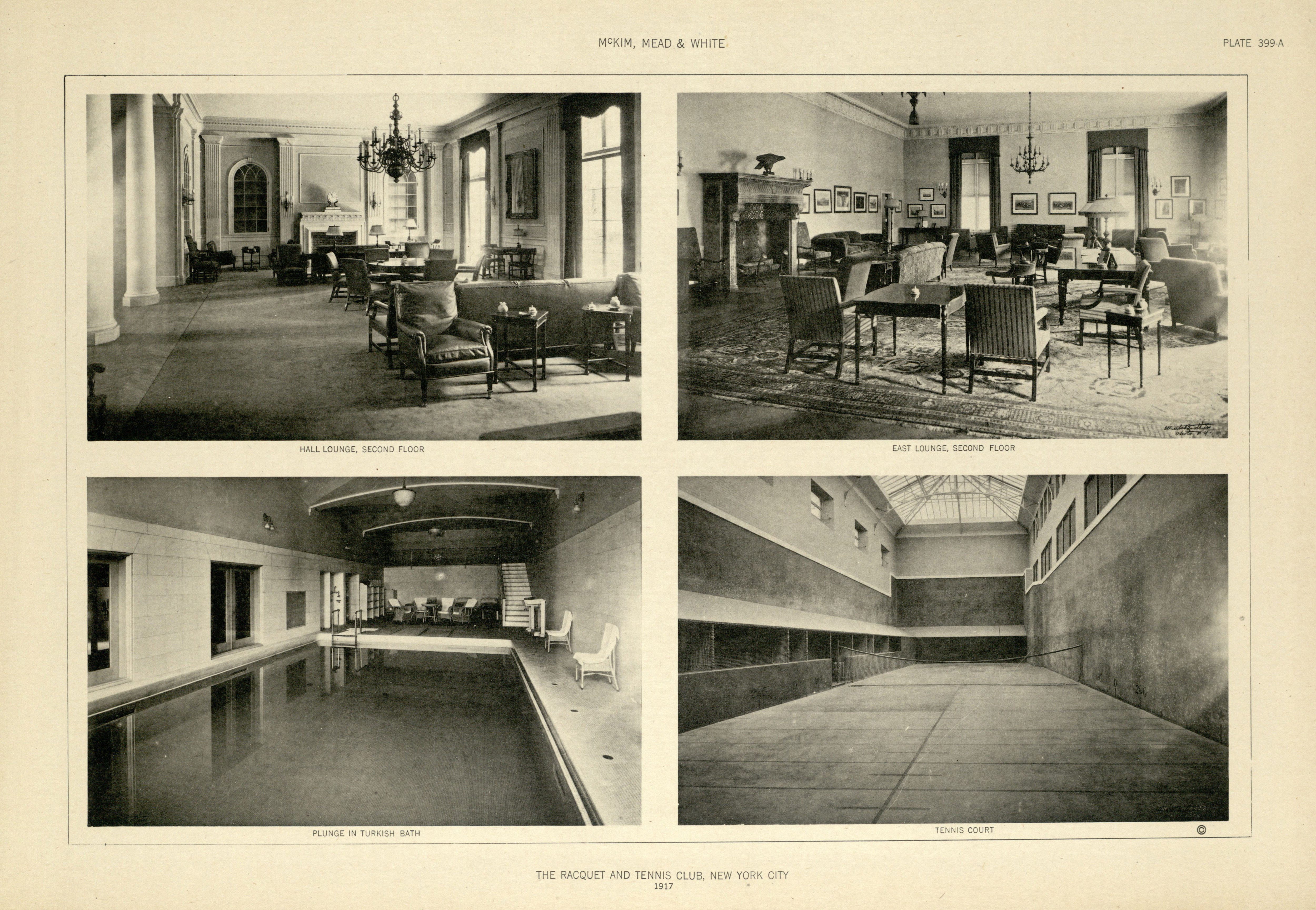
The DNA of the American private club was athletic first and social second. The New York Athletic Club was founded in 1868. The Racquet and Tennis Club, purpose-built around court tennis and rackets, has occupied its McKim, Mead & White building on Park Avenue since 1918. The University Club, the Union League, the Harvard Club: racquet sports were the center of the club experience for a century.
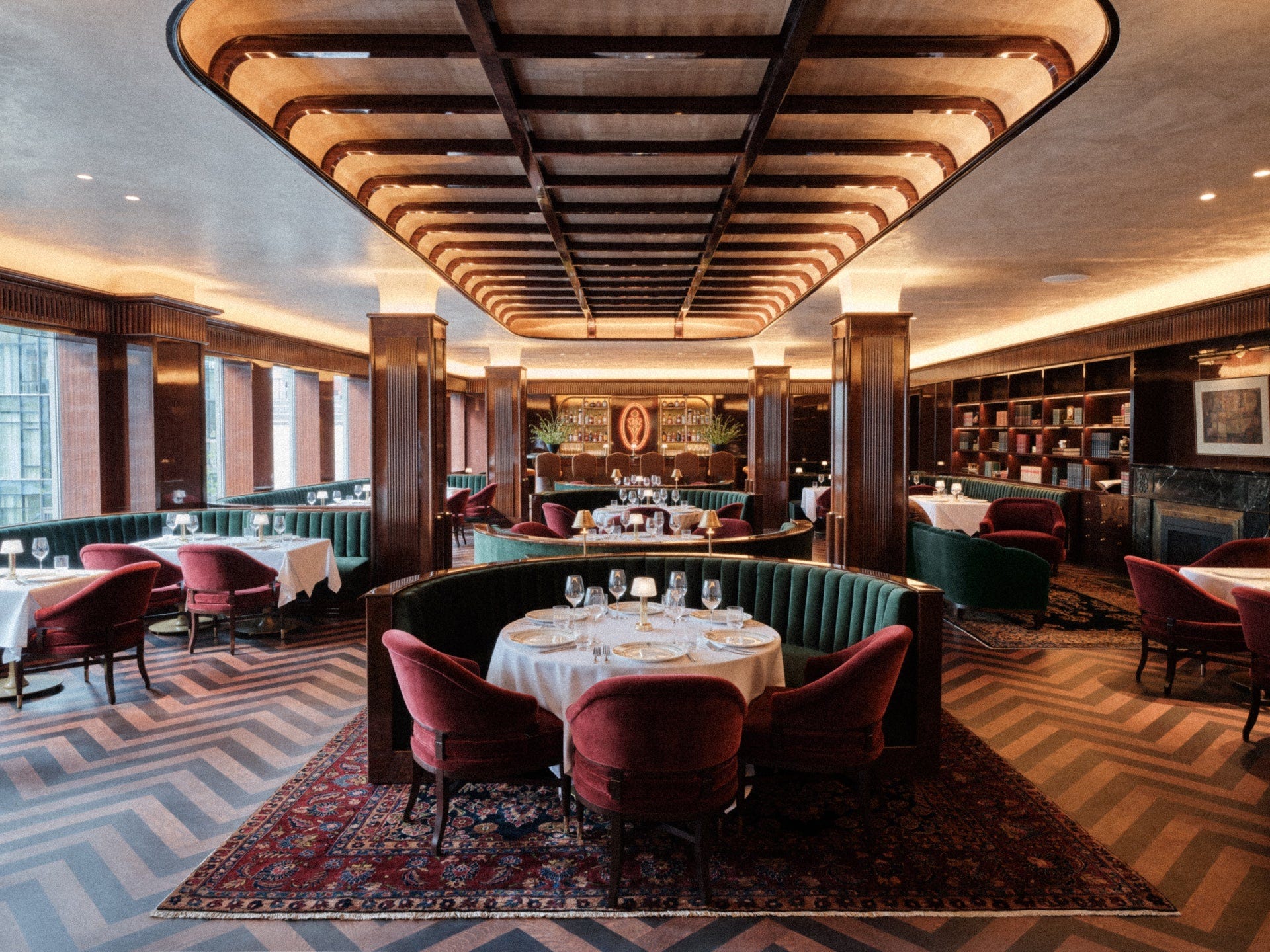
Somewhere in the mid-twentieth century, the model shifted. The dining room became more important than the court. Soho House, Zero Bond, and the 2010s wave of social clubs were built almost entirely around F&B and curation, with fitness as an afterthought.
The racquet club renaissance is a return to the original model, updated for a generation that wants activity, wellness, and social connection in one membership.
And the economics favor it. Courts are cheap to build relative to the revenue they generate; a padel court runs $75,000 to $150,000, a fraction of a high-end restaurant buildout. The infrastructure drives repeat visits: a member who plays twice a week visits 100 times a year, versus 12 for a member who comes to dinner once a month.
Each visit is an opportunity for F&B, retail, and wellness spend. Courts don’t take up much real estate (three padel courts fit on a rooftop; squash courts stack vertically), which makes the model work in urban footprints where square footage is expensive.
And racquet sports are inherently social. Every game requires at least two people. Padel requires four. Nobody needs a programmed “mixer” when they’re already playing doubles with a potential client three times a week.
Kith Ivy is the most visible expression of the new model. Fieg understood that the padel courts are not the amenity; they’re the anchor. Everything else (the Erewhon tonic bar, the Armani spa, the restaurant, the retail shop) monetizes the foot traffic the courts generate.
The $36,000 initiation fee is the membership; then
The F&B, wellness, and retail revenue is the margin.
A new racquet club in South Florida sold its first 100 memberships in weeks with zero marketing spend and nearly 1,000 people on the interest list before opening. Life Time, which operates 115 clubs with 40 more planned, is adding racquet courts to every new location.
The risk, of course, is oversupply. When participation numbers grow this fast and capital follows, every secondary market will get three padel clubs before it needs one. And courts alone are not a moat. Courts plus hospitality-grade food, wellness, and brand might be. The operators who build generic court facilities without the club experience will struggle to justify premium memberships; the ones who understand that the court is the anchor and hospitality is the margin will build something durable.
The Gilded Age clubs understood this. People want a reason to show up. A court gives them one—and everything else follows from that.
A new trend https://yachtlounge.substack.com/p/from-deck-to-court?r=625z2l&utm_medium=ios
Entire thesis about third spaces and the next generation of shared experiences summed up here: “the ones who understand that the court is the anchor and hospitality is the margin will build something durable.” Cool piece!