

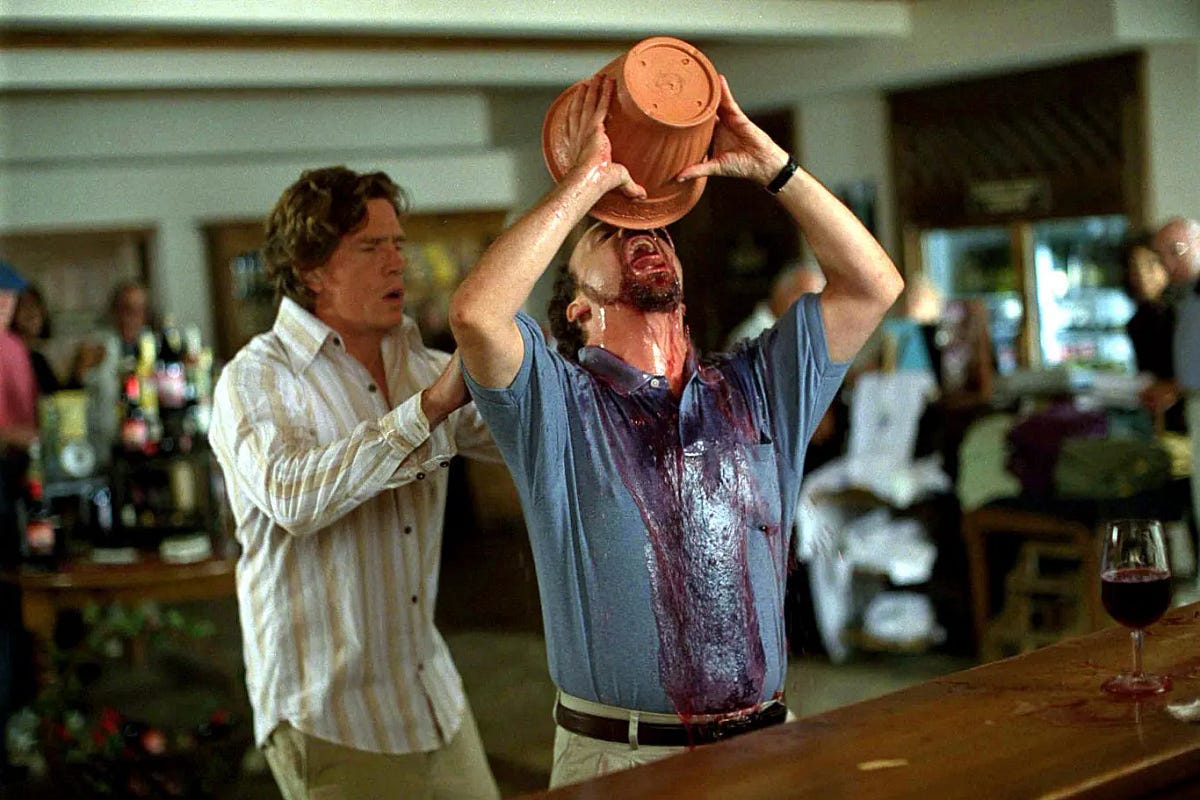
In the fall of 2007—about three weeks into my first grown-up job in New York City real estate—I decided I was done. I wanted to become a “wine farmer” in California.
Three weeks. I hadn’t even figured out the printer.
To understand this decision, you need to understand who I was at 22. I had a new million-dollar business idea every week and zero working knowledge of any of them.
A burger “dealer” concept (upscale burgers, drug-kingpin branding);
A man cave design firm;
A running app for mapping public restrooms on your route;
I was basically a walking ADHD startup incubator sitting in a Midtown cubicle with a Jos. A. Bank suit and no actual skills.
But the vineyard idea felt different. I could see myself in it… driving around Napa in a pickup truck, inspecting grapes, talking about “terroir”, drinking lots of great wine and knowing how to talk about it, and calling it work.
So I bought The House of Mondavi, read it cover to cover, and networked my way to the dean of UC Davis—the best oenology and viticulture program in the country. He was generous and kind and opened every door.
I remember walking down Park Avenue in my Brooks Brothers blue button-down, calling my dad to tell him I was leaving New York and moving to California to study winemaking.
He paused. And then destroyed my dreams in forty-five seconds.
The gist: I had absolutely no idea what this career path looked like… “go make a lot of money doing something else, and then go buy a vineyard.”
Always ruining everything with his good advice…
I’m not there yet. But I was back in Napa last week, and the pull hit me all over again.
Walking into Yountville every morning for coffee felt like walking through a movie set:
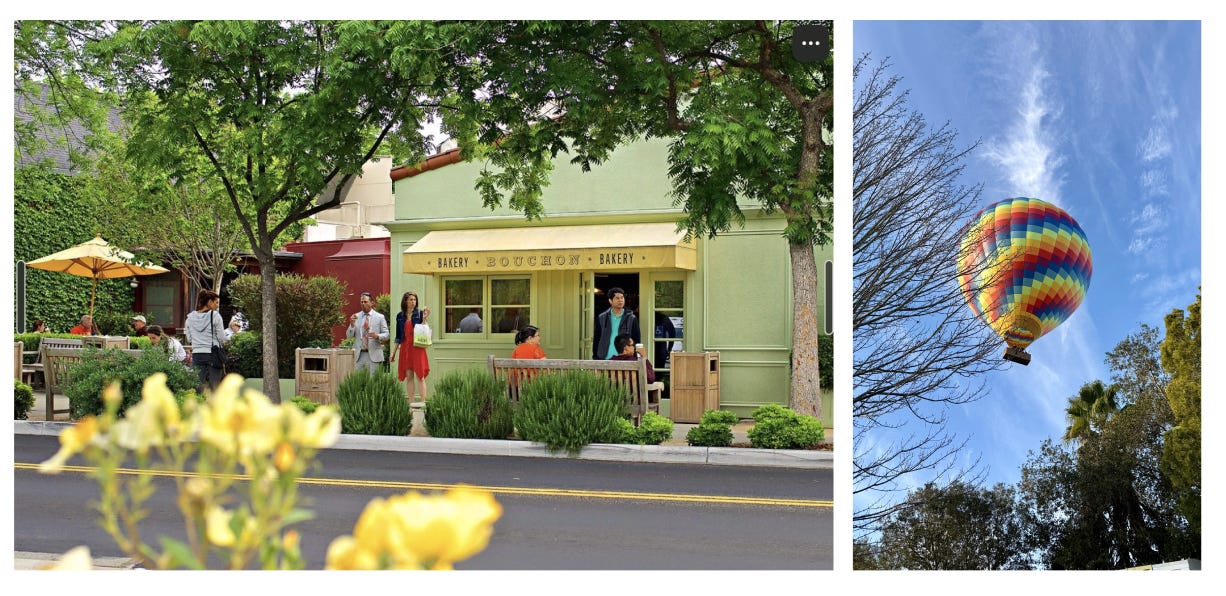
Fifty degrees, sun pouring in, mist rising off the valley floor
Hot air balloons getting filled up behind the post office
A $25 cappuccino that feels worth it
The best English muffin in America from Mini Model Bakery (I’m calling a NYC English muffin trend for Fall of ‘26)
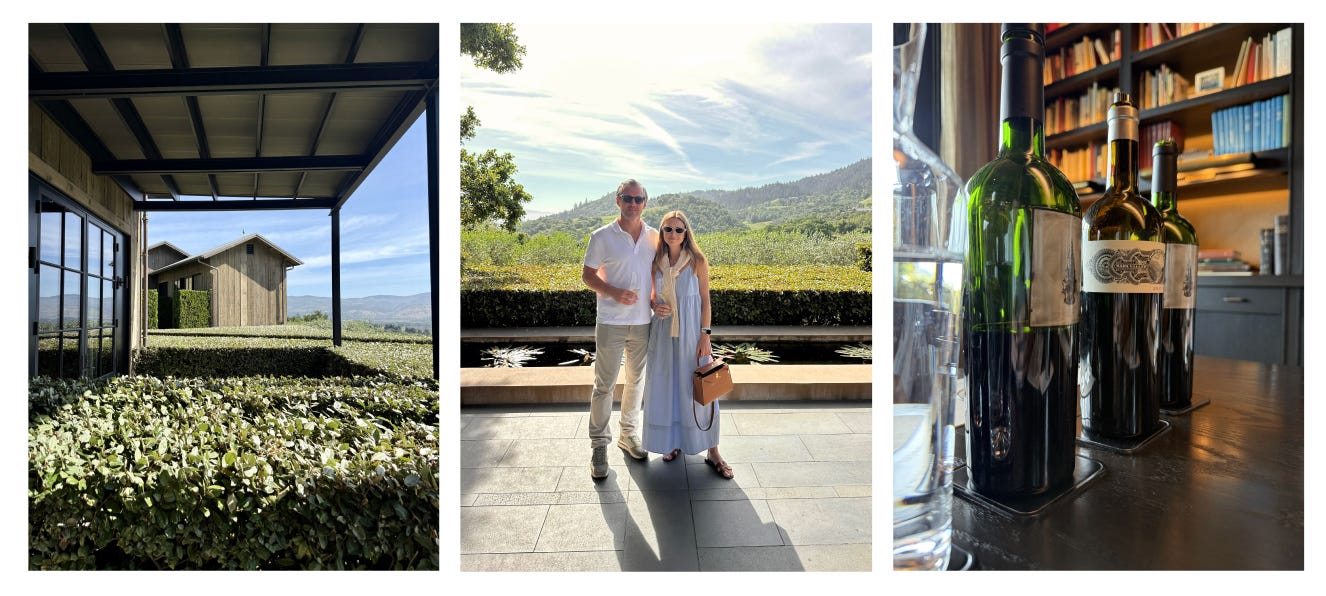
Then I visited Promontory—one of Bill Harlan’s estates on Pritchard Hill—and learned the story of his 200-year business plan.
In 1984, Harlan, a real estate developer and professional poker player, bought 40 acres of forested hillside in Oakville that had never grown a single grape. His goal: build an American first growth to rival Château Lafite. Since then he’s built:
Harlan Estate - $1,000+ a bottle, ~1,800 cases/year, a waitlist to buy
BOND - five wines from five vineyards, the “grands crus of California”
Napa Valley Reserve - ~500 members, $140K+ initiation fee, members make their own wine on-site
Promontory - land he first spotted in the 1980s but couldn’t acquire until 2008. He waited twenty years.
In 2021, he handed the keys to his son Will (when your plan is 200 years, succession is the backbone of the strategy).
Sitting there, tasting the wine, hearing the history, I kept thinking about how calming this business approach felt compared to the current frenzy—where every other Twitter/X post is about vibe coding an AI app this weekend and exiting by Q4.
Harlan’s model refuses to rush; and it works because of that refusal.
It also happens to be an extraordinary business.
A premium Napa estate like Promontory is a vertically integrated hospitality company that grows grapes. The wine is the product, but the economic engine is bigger:
Tasting rooms: $75-$250/person, 50-150 visitors/day at top estates
DTC wine clubs: $500-$5,000+/year, auto-shipped, recurring
Private events and dinners: $10K-$50K per booking
Full retail wine sales: no distributor margin, 70%+ gross margins
Underneath all of that sits appreciating land in one of the most supply-constrained markets in the country—the agricultural preserve prevents new development across most of the Napa Valley floor.
But here’s the thing my dad was right about, even if he didn’t frame it this way: you don’t have to buy 240 acres in Oakville to invest in the California wine ecosystem. There are layers. And some of the best opportunities sit below the trophy level.
Five ways in — from most to least capital-intensive:
1. Buy an existing estate ($10M-$200M+). The Harlan play.. own the land, vines, brand, tasting room, DTC operation—the whole vertical stack. It’s a generational bet, with steep entry, but requires literal decades to build the brand.
2. Buy raw vineyard land and sell grapes ($500K-$5M+). Premium Napa Cab grapes sell for $8,000–$40,000+ per ton on long-term contracts. If you plant the right varietals on the right slopes, you’ve got recurring revenue with agricultural tax benefits and land appreciation. Downside: vines take 3–5 years to produce.
3. Build or acquire a tasting room ($1M-$10M). Some of the best returns in wine country come from the hospitality wrapper. License production to a custom crush facility and focus on the guest experience, events, and wine club.
4. Invest in vineyard-adjacent real estate ($2M-$20M). Restaurants, boutique hotels, event venues in Yountville, St. Helena, Healdsburg. Same demand drivers as the estates, with none of the agricultural complexity. The French Laundry didn’t need to grow grapes to become the most valuable restaurant brand in America.
5. Join a wine fund or fractional platform ($50K-$500K). Fractional vineyard ownership, barrel programs, or wine brand incubation. You get modest returns but it’s accessible entry and the tax benefits (ag exemptions, conservation easements, vine depreciation, etc.) still apply.
Whatever your entry point, the thesis is the same: supply-constrained land, a hospitality engine on top, and a tax wrapper that makes your accountant smile.